
Gynecology
Postmenopausal Bleeding: Causes and When It Matters
8 min read
Is bleeding after menopause normal, and what causes it? Atrophy, polyps, endometrial thickening and the chance of cancer, plus diagnostic tests and treatment.
Postmenopausal bleeding is any vaginal bleeding or spotting that occurs 12 months or more after your last period, and it isn't considered normal. The most common cause is thinning of the vaginal tissue and uterine lining due to low estrogen (atrophy). Because polyps, endometrial thickening and, less often, uterine cancer can also cause it, any bleeding needs to be checked.
Key Points
- After menopause, no bleeding, including spotting, is considered "normal."
- Most causes are benign; the most common is atrophy.
- Endometrial cancer is found in a small proportion of women with postmenopausal bleeding, so bleeding is an important early warning sign.
- The first steps in diagnosis are an exam and a transvaginal ultrasound to measure the thickness of the uterine lining.
- If needed, a biopsy of the uterine lining or a hysteroscopy is done.
- Even a single, light episode of bleeding should be evaluated.
Is Bleeding After Menopause Normal?
Menopause is diagnosed after 12 months without a period. After that point, the ovaries no longer produce hormones in a regular cycle, so period-like bleeding isn't expected. That's why any bleeding, whatever its amount, color or duration, whether pink spotting, brown discharge or period-like bleeding, needs a gynecological evaluation.
Irregular bleeding can occur during the transition before menopause, but new bleeding 12 months after the last period is treated as a different situation.
What Causes Postmenopausal Bleeding?
Atrophy (thinning of tissue)
As estrogen falls, the vaginal wall and the uterine lining become thinner and more easily irritated, which can cause light bleeding, especially after sex or straining. Vaginal dryness, burning and pain during sex may also occur. For details, see our pages on vaginal dryness and genitourinary syndrome of menopause.
Endometrial polyps
These are growths from the uterine lining that are usually benign and are a common cause of postmenopausal bleeding. Polyps that bleed are usually removed and examined.
Endometrial thickening (endometrial hyperplasia)
This is excessive thickening of the uterine lining under the influence of estrogen without the balancing effect of progesterone. Risk factors include excess weight, diabetes, certain medications and unbalanced hormone use. Some types of hyperplasia can progress to cancer if left untreated. For more, see our page on endometrial thickening.
Hormone therapy
Women on menopausal hormone therapy may have expected bleeding, especially in the first months of treatment or with cyclical regimens. However, unexpected or prolonged bleeding, or bleeding that starts later in treatment, should be evaluated. For details, see our article on hormone replacement therapy.
Endometrial (uterine lining) cancer
This isn't the most common cause of postmenopausal bleeding, but it is the one that must always be ruled out. Abnormal bleeding is the most common and earliest symptom of endometrial cancer, which is why the disease is often caught at an early stage. For more, see our article on uterine cancer symptoms.
Other causes
- Cervical polyps or lesions
- Cervical cancer
- Conditions of the vagina and vulva
- Blood-thinning medications
- Irritation from vaginal devices such as a pessary
- Bleeding from the urinary tract or rectum mistaken for vaginal bleeding
Risk Factors
Known risk factors for endometrial thickening and cancer include:
- Excess weight
- Diabetes and high blood pressure
- Late menopause
- Never having given birth
- Taking estrogen alone without progestogen
- Certain medications used in breast cancer treatment
- A history of polycystic ovary syndrome
- A family history of uterine or colon cancer (certain inherited syndromes)
How Is It Diagnosed?
Exam
The vulva, vagina and cervix are examined visually. Atrophy, a polyp or the source of bleeding may be seen at this stage. Cervical screening is done if needed.
Transvaginal ultrasound and endometrial thickness
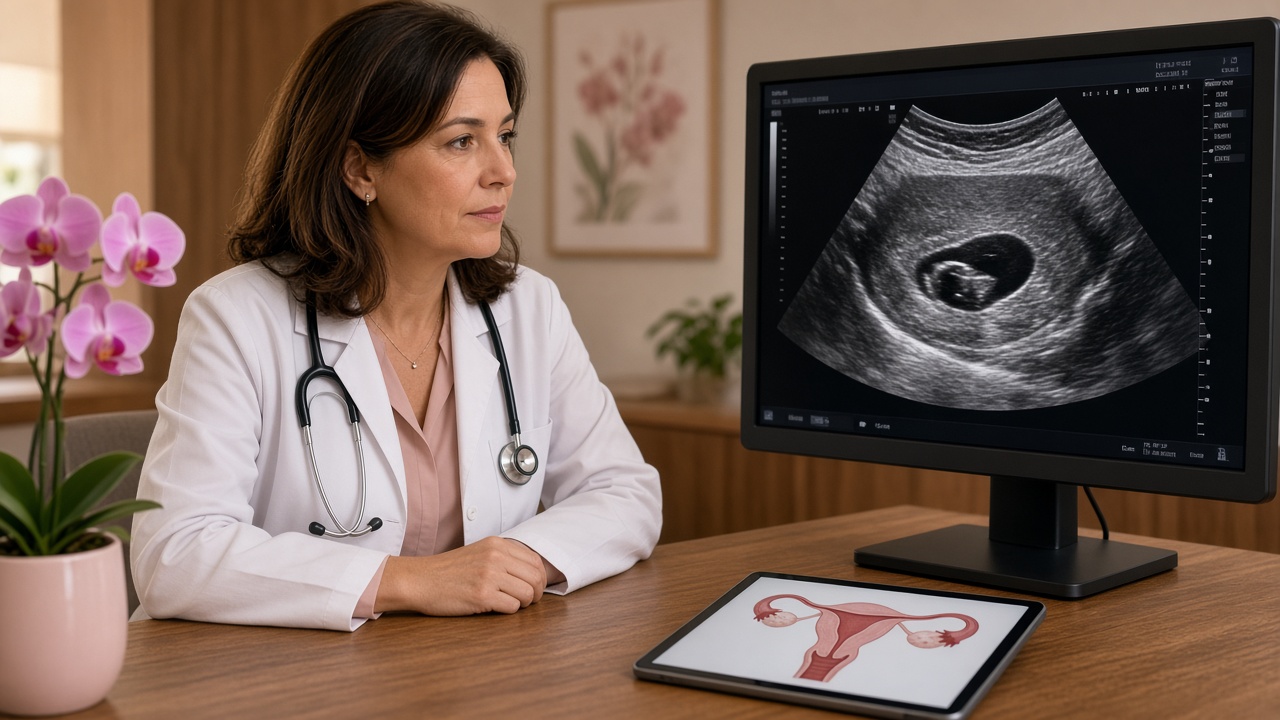
The thickness of the uterine lining is measured. In women with postmenopausal bleeding who aren't on hormone therapy, a thin lining (usually 4 mm or less) suggests that a serious underlying condition is unlikely. A thicker lining, an irregular appearance or recurring bleeding calls for further investigation. Your doctor will interpret the cutoffs based on your individual situation.
Endometrial biopsy
A small tissue sample is taken from the uterine lining with a thin tube. This can often be done in the office, and pathology examination provides a definitive diagnosis.
Hysteroscopy
The inside of the uterus is viewed directly with a thin camera. This allows polyps and focal lesions to be seen and removed in the same session. For details, see our page on hysteroscopy.
Treatment Approach
Treatment depends entirely on the cause of the bleeding:
| Cause | Possible treatment |
|---|---|
| Atrophy | Vaginal estrogen or hormone-free moisturizers |
| Polyp | Hysteroscopic polyp removal |
| Hyperplasia without atypia | Progestin therapy and follow-up |
| Hyperplasia with atypia | Usually surgical treatment |
| Bleeding related to hormone therapy | Adjusting the treatment regimen |
| Cancer | Treatment planned together with gynecologic oncology |
How Long Does Postmenopausal Bleeding Last?
It depends on the cause; it can be a single episode of a few drops of spotting or bleeding that lasts for days. What matters isn't how long it lasts but the fact that it happened. Even if the bleeding stops on its own, it should be evaluated, because the underlying cause may still be there.
What to Note Before Your Appointment
- When the bleeding started, how many days it lasted and how heavy it was
- Whether it happened after sex or on its own
- Medications you take, such as hormone therapy, blood thinners or breast cancer treatment
- When your last period was (approximate year)
- Your previous Pap smear and ultrasound results
Why You Shouldn't Delay
Most postmenopausal bleeding has benign causes, which may ease your worry. But in endometrial cancer, bleeding is an early warning sign, and treatment options are broader when the disease is found early. So rather than waiting in the hope that it will go away, it's important to be examined promptly.
Protecting the Health of Your Uterine Lining
Not every cause of postmenopausal bleeding can be prevented, but some known risk factors for endometrial thickening and cancer can be changed:
- Maintaining a healthy weight: fat tissue keeps producing estrogen after menopause, and excess weight can increase the unbalanced effect of estrogen on the uterine lining.
- Keeping diabetes and high blood pressure under regular control.
- Regular physical activity.
- If you have a uterus and use hormone therapy, always taking estrogen together with an appropriate progestogen.
- Not using hormone-containing products or supplements without your doctor's advice.
- Keeping up with yearly gynecological checkups.
These measures can lower the risk but not eliminate it, so the most important step is not to put off an exam when bleeding occurs.
Frequently Asked Questions
Is bleeding after menopause normal?
No. Any bleeding or spotting 12 months or more after your last period needs to be checked. Although most causes are benign, the uterine lining needs to be evaluated.
What causes bleeding after menopause?
The most common cause is tissue thinning due to low estrogen (atrophy). Polyps, endometrial thickening, hormone therapy and, less often, endometrial cancer can also cause it.
Is postmenopausal bleeding a sign of cancer?
Bleeding is the most common symptom of endometrial cancer, but most women with postmenopausal bleeding don't have cancer. An ultrasound and, if needed, a biopsy are done to tell the difference.
How long does postmenopausal bleeding last?
It depends on the cause; it may be a single episode of spotting or bleeding that lasts several days. Even if it's brief and stops, it should be evaluated.
How is postmenopausal bleeding treated?
Once the cause is found, the appropriate treatment is given: local treatments for atrophy, hysteroscopic removal for polyps, and hormonal or surgical treatment for hyperplasia. Medication to stop the bleeding shouldn't be used before the cause is identified.
Can you bleed while on hormone therapy?
Expected bleeding can occur, especially in the first months of treatment or with cyclical regimens. However, unexpected or prolonged bleeding, or bleeding that starts later in treatment, should be evaluated.
Is brown discharge after menopause a concern?
Because brown discharge contains old blood, it's evaluated the same way as postmenopausal bleeding. It may have a benign cause such as atrophy, but the cause should be investigated with an exam and ultrasound.
This article is for general information only and does not replace diagnosis or treatment. A personal assessment requires an examination.
This page is general information. Your own plan is set after examination.