
Gynecology
What Is Vaginal Douching and Is It Harmful?
6 min read
What is vaginal douching and is it harmful? How the vagina cleans itself, how douching disturbs the flora and pH, infection risks, pregnancy risks and safer everyday hygiene.
Vaginal douching means washing the inside of the vagina with water or other solutions, and in most cases it is not medically recommended. Because the vagina has its own natural cleaning mechanism, washing it internally can disturb the microbial balance and increase the risk of infection.
Frequent douching can change the vagina's natural bacterial flora and reduce protective lactobacilli. This makes problems such as bacterial vaginosis, yeast infections and irritation more likely and can harm vaginal health.
A disturbed vaginal flora changes the pH and makes it easier for harmful microorganisms to multiply. This can show up as an unpleasant smell, more discharge and burning. Clinical studies have also linked regular douching with a higher risk of pelvic infection.
Gynaecologists advise that, instead of internal washing, gently cleaning the external genital area with water is enough. Because the vagina cleans itself, avoiding unnecessary chemical or mechanical interference is important for women's health.
What Is Vaginal Douching?
Vaginal douching is washing the inside of the vagina with water or various fluid mixtures. It is usually done with special devices or douche kits, and some people use it for cleanliness or to get rid of odour.
Fluids Used
Water, antiseptic solutions, vinegar mixtures or ready-made vaginal cleansing products may be used. These fluids are pushed into the vagina under pressure in an attempt to clean it.
The Natural Structure of the Vagina
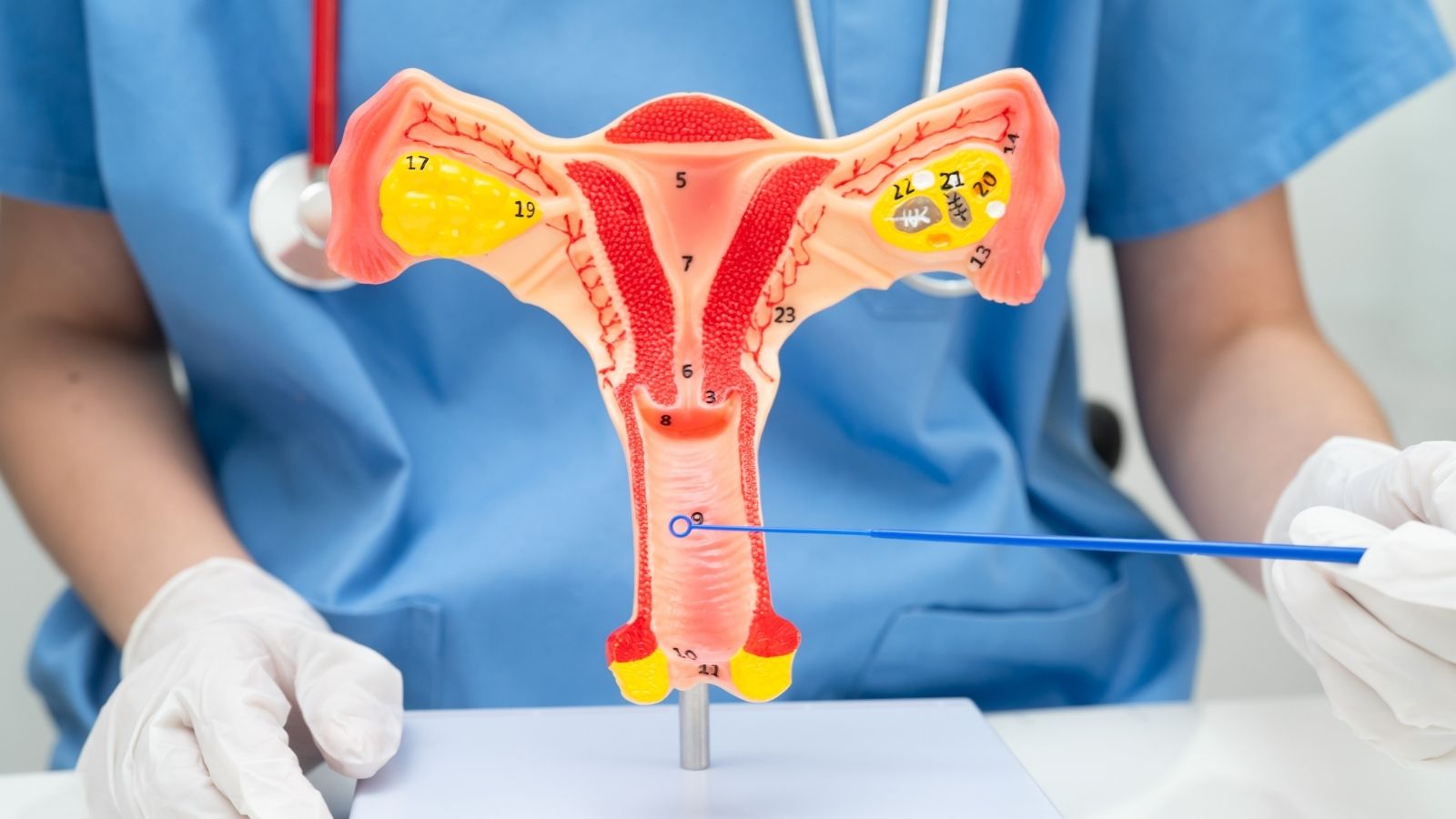
The vagina is a self-cleaning organ, protected against infection by its natural bacterial flora and pH balance. This natural system keeps it healthy.
Is It Harmful?
Douching is not recommended in most cases because it can disturb the vagina's natural bacterial balance and change its pH, weakening its protection against infection.
Risk of Bacterial Vaginosis
Douching can reduce beneficial bacteria in the vagina, which increases the risk of bacterial vaginosis.
Risk of Yeast Infection
Disturbing the natural balance can make it easier for yeast to multiply, so douching may increase the risk of vaginal yeast infection.
Risk of Pelvic Infection
During douching, fluid may be pushed up through the cervix. This can pave the way for more serious infections such as pelvic inflammatory disease.
Risks in Pregnancy
Douching during pregnancy can increase the risk of infection, and some studies have linked it with preterm birth and other complications.
Use to Remove Odour
Douching is often done to get rid of an unpleasant smell. But odour is often a sign of infection, and douching can mask the problem or make it worse.
Medical Advice
Obstetricians and gynaecologists generally do not recommend douching. There is no need to clean inside the vagina; gently washing the external genital area with water is enough.
Alternative Hygiene
For daily hygiene, washing the external genital area with water and avoiding irritating soaps is recommended. This helps protect the vagina's natural balance.
How Does the Vagina's Self-Cleaning Work?
Some organs are designed to clean and care for themselves. Just as tears constantly wash our eyes and saliva keeps the mouth in balance, the vagina is a dynamic, self-cleaning organ. Rather than being a static space, it is an extraordinarily complex micro-environment in which friendly bacteria, cells and secretions are in constant communication. The main purpose of this ecosystem is to stop harmful microorganisms, yeasts or viruses from the outside world from attaching to the tissues and multiplying.
In a healthy body, the lining of the vagina is constantly renewed under the influence of oestrogen and sheds like our skin. These microscopic shed cells contain a sugar store called glycogen. This is where lactobacilli, the vaginal flora's best friends and protective soldiers, come in. These friendly bacteria feed on the glycogen and, as a result, produce lactic acid.
Thanks to this biochemical cycle, the inside of the vagina stays acidic. The pH of a healthy vagina is usually between 3.8 and 4.5. This acidity acts like a protective wall: harmful bacteria, parasites and yeasts struggle to survive and multiply in such an acidic environment. Lactobacilli also produce natural antimicrobial substances for extra protection. In short, the vagina stays clean and safe by running its own chemical factory, without needing water, soap or perfumed washes sent inside.
Why Is Vaginal Douching Harmful?
Washing the inside of the vagina with any fluid can undo this carefully built, well-functioning natural defence in one go. Water or mixtures pushed in under pressure mechanically wash away the protective mucus layer and, most importantly, the beneficial lactobacilli that protect against infection. Like trees uprooted by a flood, beneficial bacteria are flushed out.
A more dangerous chemical change also takes place. Tap water is usually neutral, with a pH of around 7.0. When neutral water enters the acidic vagina, the lactic acid is quickly diluted and the acidic environment is disrupted. Losing acidity is a gift to opportunistic harmful bacteria that had been kept in check. Once the protective shield is gone, they multiply very quickly.
It does not stop at water. Intimate washes that are appealing because they smell nice, antiseptic solutions or home-made mixtures with baking soda or vinegar can cause significant chemical irritation inside the vagina. These substances can damage the cells of the mucosa and leave the tissue vulnerable to infection. Ultimately, a practice meant to clean can make the area unhealthy.
What Infections Can Follow Vaginal Douching?
When the natural balance is disturbed and protective bacteria are lost, different microorganisms can take over, leading to various infections:
- Bacterial vaginosis: the most common consequence; thin, grey-white discharge with a fishy smell.
- Vaginal yeast infection: thick white discharge, itching and burning.
- Sexually transmitted infections: a disturbed flora and irritated tissue may make it easier to acquire infections such as chlamydia, gonorrhoea or trichomonas.
- Pelvic inflammatory disease: infection spreading to the uterus, tubes and ovaries, which can cause pelvic pain and fever and, in the long term, affect fertility and increase the risk of ectopic pregnancy.
If you notice a change in discharge, smell, itching or pelvic pain, it is better to see a doctor than to douche.
This page is for general information only. A personal plan can only be made after an examination.
This page is general information. Your own plan is set after examination.