
Gynecology
What Is Vaginal Dryness? Symptoms, Causes and Treatment
5 min read
What is vaginal dryness? Learn its symptoms, hormonal and other causes, and the treatment options for vaginal dryness.
Vaginal dryness is a condition that develops when the vaginal lining cannot produce enough natural moisture and is characterized by burning, irritation and discomfort in the genital area. It is most often linked to a fall in the hormone oestrogen and can show itself clinically with symptoms such as pain during intercourse, itching and tenderness.
Vaginal dryness related to menopause occurs because oestrogen levels fall markedly, so the vaginal tissue thins and moisture production drops. During this process the vaginal lining can lose elasticity, the pH balance can change and the tendency to infections can increase. It is a very common health problem in women after menopause.
Vaginal dryness caused by hormonal changes is not limited to menopause. It can also develop during breastfeeding, after birth, with some contraceptive methods and during treatments that suppress hormones. Antidepressants, antihistamines and some chronic diseases can also reduce vaginal moisture and contribute to symptoms.
Treatment of vaginal dryness is planned according to the underlying cause and usually includes vaginal moisturizers, lubricants and local oestrogen treatments. In some patients, systemic hormone therapy or lifestyle changes may also be recommended. A suitable treatment approach supports the health of vaginal tissue and helps reduce symptoms.
What Is Vaginal Dryness?
Vaginal dryness is a condition caused by the vaginal tissues not producing enough moisture. It is usually linked to a fall in oestrogen and is especially common in women around menopause. It can, however, occur at any age.
Symptoms
- Burning in the vagina
- Itching
- Irritation
- Pain during intercourse (dyspareunia)
- A feeling of tightness in the vaginal area
- A tendency to urinary tract infections
- A frequent urge to pass urine
Main Causes
- Menopause and perimenopause (falling oestrogen)
- Breastfeeding
- The period after birth
- Some contraceptive methods
- Chemotherapy or radiotherapy
- Smoking
- Antidepressant and antihistamine medicines
- Autoimmune diseases (for example Sjögren's syndrome)
Risk Factors
Increasing age, hormonal changes, chronic diseases, stress, insufficient sexual arousal and long-term use of some medicines.
Diagnosis
Clinical examination, the patient's history, measuring hormone levels (especially oestrogen) where needed and, if necessary, assessment of the vaginal flora.
Treatment Options
- Moisturizers and lubricants (especially water-based products)
- Vaginal oestrogen treatment (cream, pessary, tablet)
- Systemic hormone replacement therapy (HRT)
- Non-hormonal treatments (vaginal DHEA; laser treatment, for which long-term evidence is still being studied)
- Lifestyle changes (stopping smoking, regular sexual activity)
Hormonal treatments are not suitable for everyone, for example after some hormone-sensitive cancers, so the choice should be made with your doctor.
Preventive Approaches
Regular sexual activity to help keep the vaginal tissue healthy, staying away from smoking, avoiding chemicals that can harm the vaginal area (perfumed soaps, shower gels), a balanced diet and enough fluids.
When to See a Doctor
See a doctor if symptoms affect daily life, cause problems in your sex life, are not helped by home measures, or if unusual events such as bleeding develop.
What Is Vaginal Dryness and How Does It Develop in the Body?
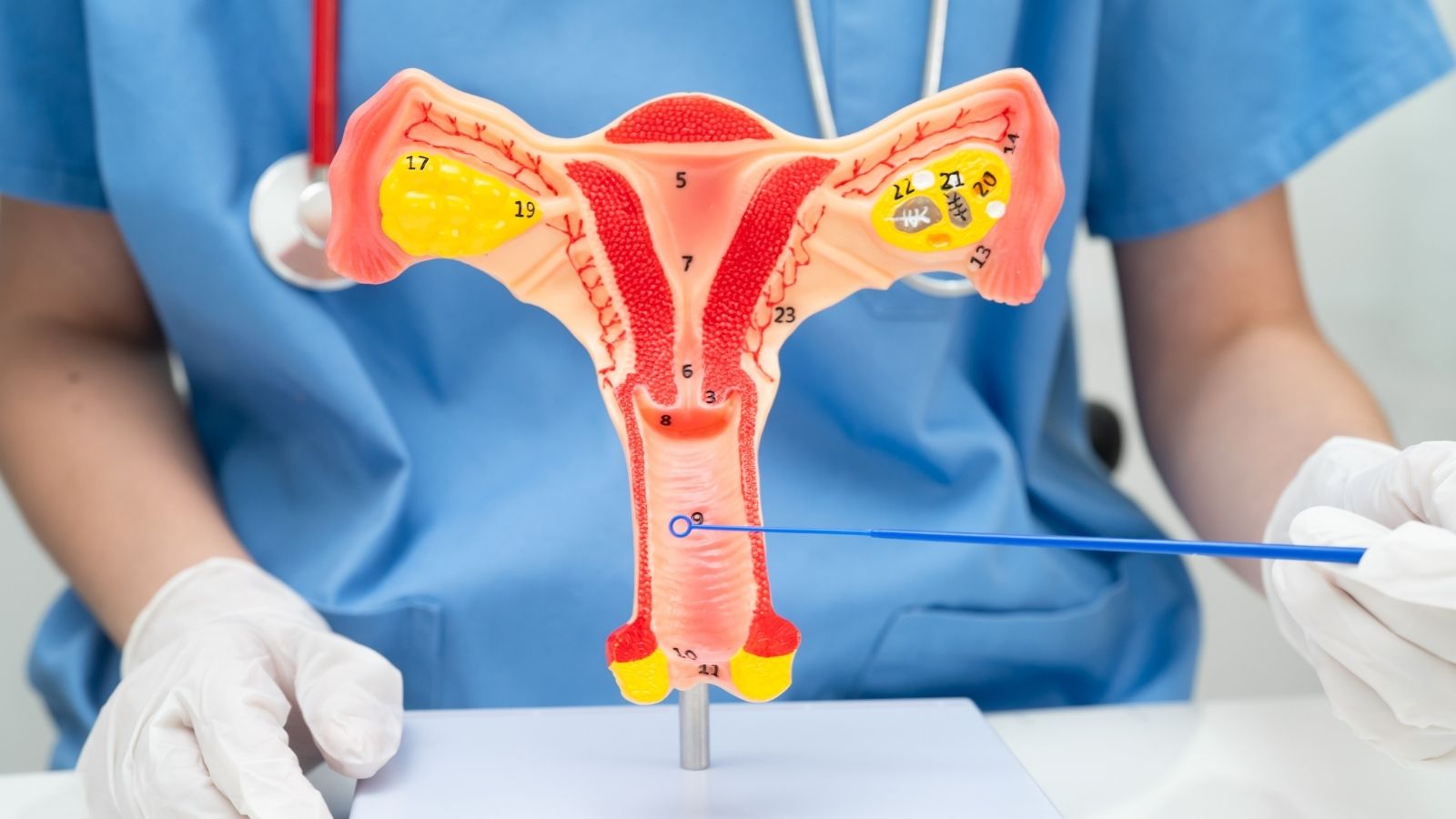
Within the female body's well-coordinated working, the vagina has a remarkable ecosystem that can clean, moisten and protect itself. The vaginal wall is made, from outside to inside, of connective tissue, a muscle layer and, innermost, a protective layer called the mucosa. In healthy reproductive years this innermost mucosa is thick, resilient and flexible. The main architect behind this is the hormone oestrogen. Oestrogen keeps the cells in the area renewing, the blood vessels active and the tissue full.
The surface cells shed during this renewal cycle contain plenty of cellular sugars called glycogen. The useful lactobacilli that make up the natural vaginal flora and protect health consume this glycogen and turn it into lactic acid. Thanks to this biochemical process, the inside of the vagina stays mildly acidic. This acidic shield is the most important natural line of defence that stops harmful bacteria and fungi from outside multiplying.
As oestrogen levels fall, this cycle gradually starts to break down. Deprived of oestrogen, the mucosa thins over time, sometimes down to only a few cells thick, becoming as delicate as paper. The number of small blood vessels feeding the tissue falls and blood flow to the area weakens. Reduced blood flow means the tissue cannot produce its own natural fluids. The collagen fibres that give the tissue elasticity weaken, and the elastic folds on the inside of the vagina flatten. In the end, the tissue becomes vulnerable to outside influences, tight, sensitive and dry.
What Are the Main Causes Behind Vaginal Dryness?
There is a common misunderstanding that vaginal dryness is only a problem that comes with older age. In fact, many factors that lower oestrogen or reduce blood supply to the tissues can affect younger women's lives deeply as well. Although the main factor is falling hormones, lifestyle and medical treatments also play a large part in speeding up the process.
The common underlying causes include:
- Natural menopause
- The transition to menopause (perimenopause)
- Breastfeeding
- Surgical removal of the ovaries
- Radiotherapy to the pelvic area
- Cancer chemotherapy
- Breast cancer medicines
- Treatments for endometriosis
Vaginal dryness is common and treatable. Effective help is available, so you do not need to put up with discomfort or pain during intercourse.
This page is for general information only. A personal plan can only be made after an examination.
This page is general information. Your own plan is set after examination.