
Gynecology
What Is HPV? Symptoms, Testing and Follow-Up
9 min read
What is HPV, how is it transmitted, which tests detect it, and how is follow-up planned after a positive result? Gynecologic evaluation in Ankara, Turkey.
HPV (human papillomavirus) is a common group of viruses spread through skin and mucous-membrane contact, most often during sexual contact. Most infections cause no symptoms and are usually cleared by the immune system within one to two years. Because persistent infection with high-risk types can lead to cell changes on the cervix, regular screening and follow-up are important.
What Is HPV?
HPV is a family of viruses with more than a hundred types, some of which affect the genital area. Doctors group these types into two main categories:
- Low-risk types: The most common are types 6 and 11. They cause most genital warts (condylomas) and are very unlikely to lead to cancer.
- High-risk types: A group of types, led by HPV 16 and 18, can cause precancerous cell changes on the cervix if they persist in the body for a long time. These changes develop over years and can be treated when found early.
Exposure to HPV is very common among sexually active adults. For this reason, a positive HPV result is not a diagnosis of disease on its own; it is a finding that calls for a follow-up plan.
How Is HPV Transmitted?
The virus spreads mainly through skin-to-skin and mucous-membrane contact. That means not only vaginal intercourse but any close genital contact can transmit it. Condoms lower the risk but do not fully protect, because they do not cover every area. Transmission from mother to baby during birth is rare, and the chance of catching HPV from swimming pools, toilets or towels is very low.
HPV Symptoms
Most HPV infections cause no symptoms at all, and many people only find out they carry the virus through screening tests. When symptoms do occur, they may include:
With low-risk types
- Small, skin-colored or slightly darker, cauliflower-like bumps on the vulva, around the anus or inside the vagina
- Occasionally itching or tenderness
With high-risk types
- Cell changes on the cervix usually cause no symptoms.
- In advanced stages there may be bleeding after sex, spotting between periods or foul-smelling discharge. Because these symptoms have many possible causes, they should be evaluated with an examination.
Who Should Be Tested? HPV Testing and Screening
HPV screening is recommended as part of routine check-ups, even without symptoms. In Turkey, the Ministry of Health screening program recommends an HPV test every five years for women aged 30 to 65. Your doctor may also recommend HPV testing if you:
- Have had abnormal cells on a Pap smear
- Have noticed wart-like growths in the genital area
- Have bleeding after sex or unexplained spotting
- Have previously been treated for cervical cell changes and are under follow-up
- Take medications that suppress the immune system or otherwise have a weakened immune system
Which test you need, and how often, depends on your age, previous results and personal risk.
How Testing and Evaluation Work
1. Examination and sample collection
During a pelvic exam, a speculum is used to see the cervix, and a small brush collects a sample of cells. It takes a few minutes and usually causes nothing more than a feeling of mild pressure. Having the sample taken outside your period makes the results more reliable.
2. HPV DNA test and Pap smear
The sample is tested for high-risk HPV types, and most laboratories report types 16 and 18 separately. A Pap smear (cytology) can be done on the same sample; testing both together is called "co-testing."
3. Understanding the results
- HPV negative: You continue with routine screening intervals.
- HPV 16/18 positive: Colposcopy is usually recommended, even if the Pap smear is normal.
- Other high-risk types positive, Pap smear normal: In most cases the test is repeated in one year.
- Abnormal Pap smear: Depending on the grade, colposcopy and, if needed, a biopsy are considered.
4. Colposcopy and biopsy
Colposcopy is an examination of the cervix with a magnifying instrument. If a suspicious area is seen, a small tissue sample is taken, and a follow-up or treatment plan is made based on the pathology result.
Is There a Treatment for HPV?
There is no medication that eliminates the virus itself. Treatment targets the changes the virus causes:
- Genital warts: Can be treated with topical creams, freezing (cryotherapy), cauterization or laser.
- Cervical cell changes: Mild changes often regress on their own and are monitored. For moderate and severe changes, the affected area is removed with a procedure such as LEEP or conization.
Quitting smoking, eating a balanced diet and getting regular sleep support your immune system in clearing the virus.
Follow-Up and Recovery
After a positive HPV result, the most important step is to keep to the follow-up schedule your doctor sets. In general:
- In transient infections, repeat tests show that the virus has cleared.
- After treatment, the first check-up is usually at six months and includes an HPV test.
- After wart treatment, check-ups a few weeks apart may be recommended to look for new lesions.
- It is helpful for a partner to see a doctor as well, especially if there are visible warts.
Not missing check-ups means cell changes can be caught at an early stage, so the follow-up plan is made together with you to fit your routine.
Preventing HPV
- HPV vaccine: Protects against many of the high-risk and low-risk types. It gives the greatest benefit when given before sexual activity begins, but it can also be given at older ages on a doctor's recommendation.
- Condoms: Lower the risk.
- Regular screening: Vaccinated women still need to continue screening.
- Avoiding smoking: Smoking is one of the factors that make it more likely the virus will persist.
HPV and Cervical Health
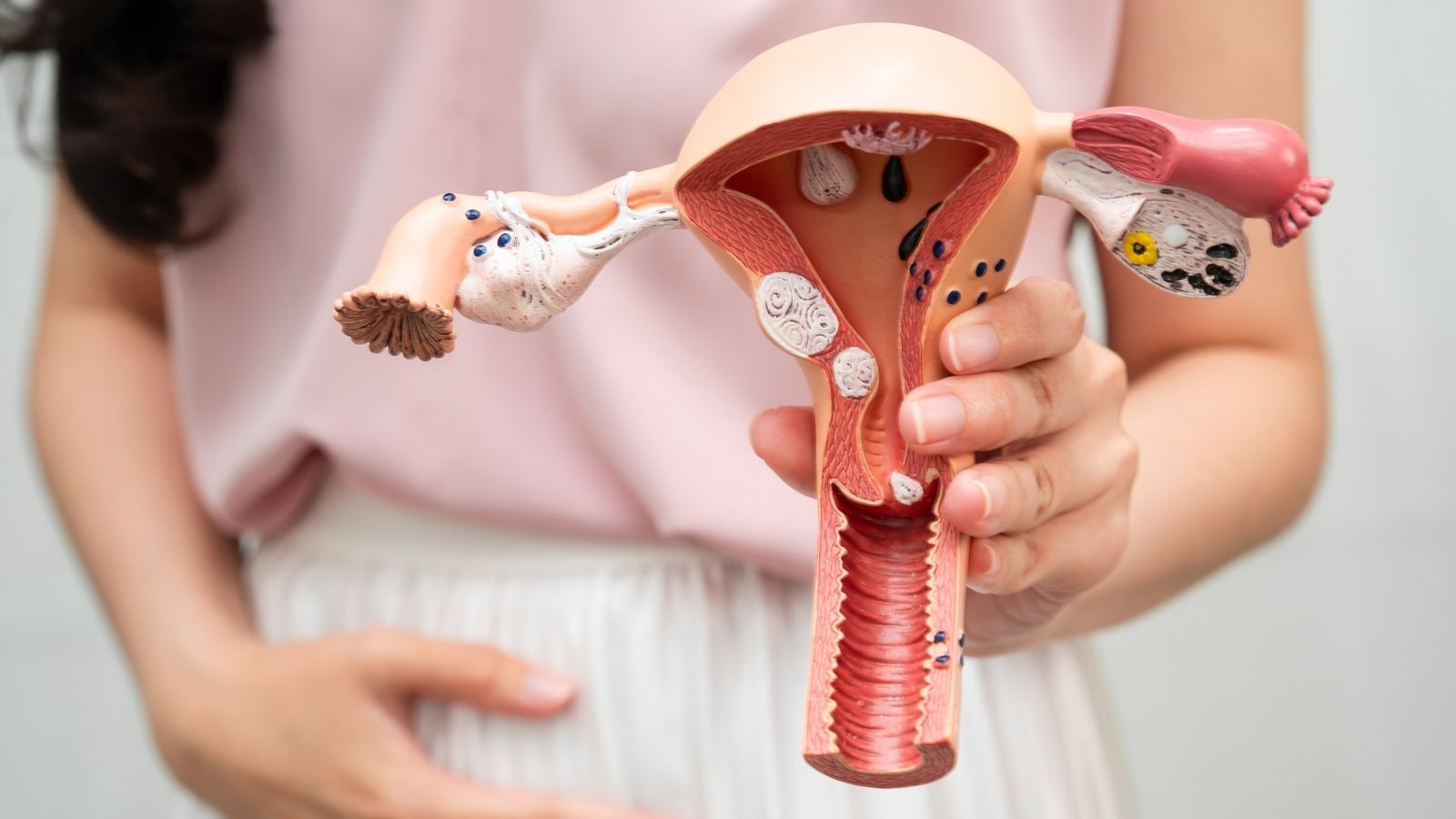
The cervix has an area called the "transformation zone," where the two different cell types lining its inner and outer surfaces meet. Cell turnover is high here, which makes it more vulnerable to HPV. When a high-risk type persists in this zone, normal cell growth can be disrupted. These changes are graded as mild (CIN 1), moderate (CIN 2) and severe (CIN 3).
Many mild changes regress on their own. Moderate and severe changes can progress over years if left untreated, so removal of the affected area is recommended. Because this process usually takes many years, regular screening makes it possible to detect changes while they are still precancerous. That is the whole point of screening: to step in before disease develops, at a stage where treatment is relatively simple.
What Is Assessed at the Visit?
When you are seen for suspected HPV or a positive test, your doctor will carry out a thorough evaluation:
- History: Previous Pap and HPV results, past treatments, vaccination status, smoking, pregnancy plans and any conditions affecting the immune system.
- External genital exam: Checking for warts or other lesions.
- Speculum exam: The cervix and vaginal walls are examined, and a sample is taken if needed.
- Ultrasound: May be added, depending on your symptoms and findings, for a general assessment of the uterus and ovaries.
At the end of this evaluation, a personalized follow-up or treatment plan is made and your next check-up date is set.
Coping Emotionally With a Positive Result
Learning that you are HPV positive can cause a lot of anxiety. It helps to know that the virus is extremely common, that it may be detected years after the contact that caused it, and that it usually clears on its own. Sharing the result with your partner makes it easier to manage follow-up together, and talking openly about your questions at your visit can make the whole process feel calmer.
When Should You See a Doctor?
- A new bump or wart-like growth in the genital area
- Bleeding after sex or spotting between periods
- Discharge that has changed in color, smell or amount
- Your screening is due or overdue
Frequently Asked Questions
Does a positive HPV test mean I have cancer?
No. A positive HPV test means the virus was detected. Most infections clear on their own. What matters is following the recommended plan based on the HPV type and your Pap smear result.
Does HPV go away on its own?
In most cases, yes. A large share of infections are cleared by the immune system within one to two years. High-risk infections that persist are monitored more closely.
Can men be tested for HPV?
There is no routine HPV screening test for men. If there are visible warts, an evaluation by a urologist or dermatologist is recommended.
Will HPV stop me from getting pregnant?
HPV generally does not prevent pregnancy. If you are planning a pregnancy, it is a good idea to make sure your screening is up to date and, if treatment is needed, to plan it before you conceive.
If I've had the HPV vaccine, do I still need testing?
Yes. The vaccine does not protect against every type that can cause cervical cell changes, so vaccinated women still need to continue screening.
Is an HPV test the same as a Pap smear?
No. A Pap smear looks for changes in the cells, while an HPV test looks for the virus itself. Both can often be done from the same sample, and they complement each other.
Medical content: Op. Dr. Miray Sekkin Eser
This content is for general information only; diagnosis and treatment require an examination.
This page is general information. Your own plan is set after examination.