Gynecology
Bartholin Cyst: Symptoms, Treatment and Recovery
8 min read
What are a Bartholin cyst and a Bartholin abscess, what symptoms do they cause, how are they treated and what is recovery like? A gynecologist's guide.
A Bartholin cyst is a swelling that forms when the duct of one of the Bartholin glands, located on either side of the vaginal opening, becomes blocked and fluid builds up inside the gland. Small cysts are often painless and may go away on their own. If the cyst becomes infected, it can turn into a painful abscess. Depending on the size of the cyst, your symptoms and whether it keeps coming back, treatment may involve warm sitz baths, drainage, a catheter or marsupialization.
What Are the Bartholin Glands?
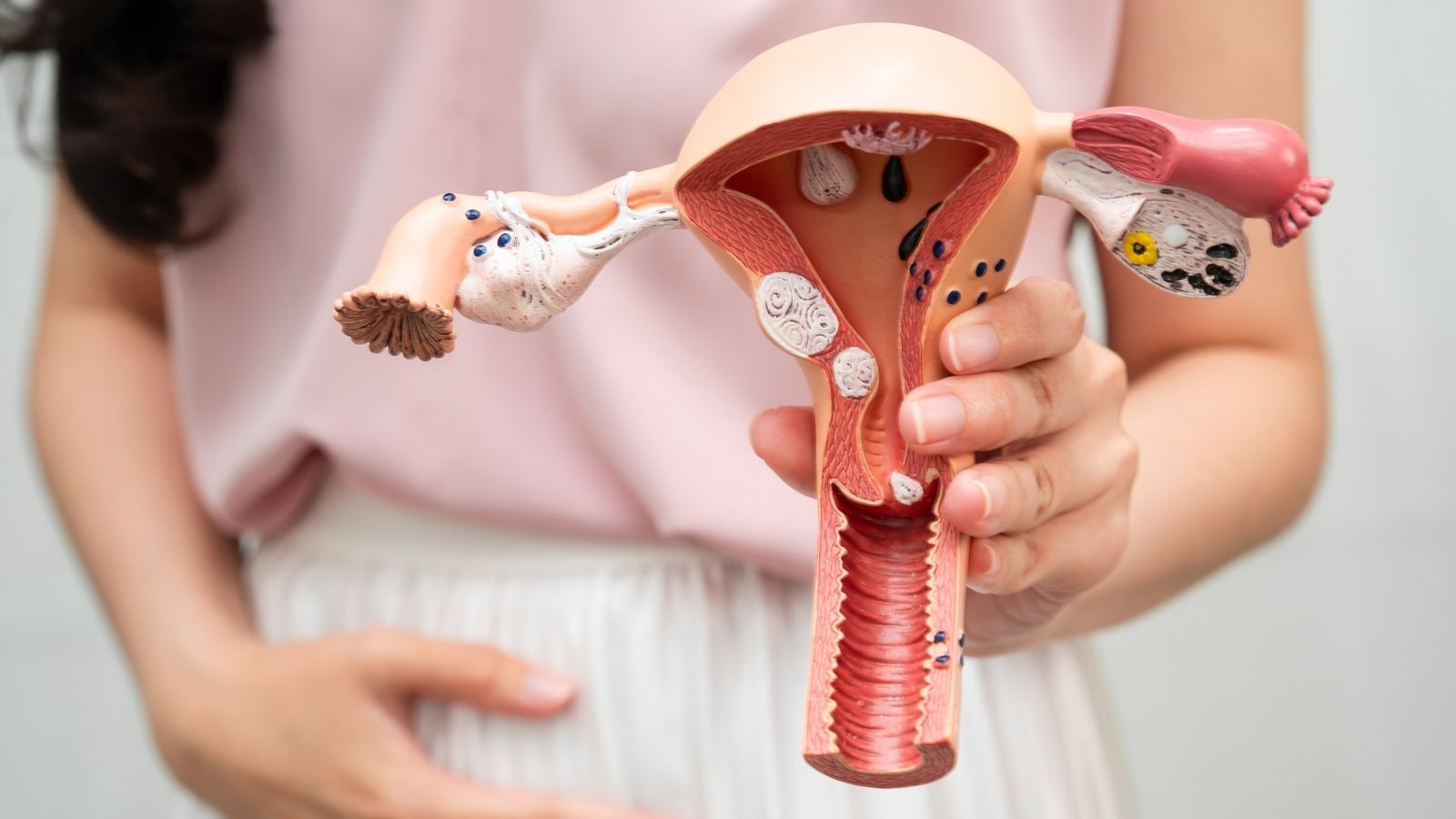
The Bartholin glands are two pea-sized glands located on the right and left of the vaginal opening, at the lower part of the inner labia. Normally you cannot feel them. Their job is to release a lubricating fluid through tiny ducts to the vaginal opening, which helps keep the area moist, especially during sexual arousal.
How Do Bartholin Cysts and Abscesses Form?
The duct that carries the gland's secretions can become blocked for various reasons, causing fluid to collect inside the gland and form a cyst. The cause of the blockage often cannot be identified; swelling of the duct, thick secretions, or scar tissue from a previous infection or procedure may play a role.
When the fluid inside the cyst becomes infected, a Bartholin abscess develops. The bacteria responsible are usually those normally found in the vagina and on the skin; less often, sexually transmitted bacteria may be involved. An abscess usually grows quickly and causes significant pain.
Bartholin cysts are most common in women of reproductive age, particularly in their 20s and 30s. They are not contagious and cannot be passed to a partner.
Symptoms
Bartholin cyst
- A soft, painless lump on one side of the vaginal opening, usually on one side only
- Small cysts may cause no symptoms and are sometimes found at a routine exam
- Larger cysts may cause discomfort when walking, sitting or during sex
Bartholin abscess
- A red, warm, tender lump that grows over a few days
- Pain that makes walking and sitting difficult
- Marked pain during sex
- Sometimes fever and feeling unwell
- If the abscess bursts on its own, sudden pain relief along with discharge
How Is It Diagnosed?
A Bartholin cyst is usually diagnosed with a pelvic exam, which assesses the location, size, consistency and tenderness of the lump. When needed:
- If there is discharge, a culture may be taken to identify the bacteria.
- Screening for sexually transmitted infections may be done.
- In women over 40, or if the lump has unusual features, a biopsy may be planned to rule out other rare causes.
Other lumps that can appear in this area, such as sebaceous cysts, infected hair follicles or vaginal wall cysts, can be told apart on examination.
Who Needs Treatment? Treatment Options
Treatment depends on the size of the cyst, whether it is painful or infected, and whether it has come back before.
1. Watchful waiting and warm sitz baths
Small, painless cysts may not need treatment. Sitting in warm water for 10–15 minutes several times a day can help the cyst drain on its own. This can also be used as supportive care for small, early abscesses.
2. Medication
If there is an abscess or signs of spreading infection in the surrounding tissue, your doctor may prescribe antibiotics. Pain relievers ease the symptoms. Antibiotics alone often do not clear a large abscess; they are used together with drainage.
3. Drainage and catheter placement
Under local anesthesia, a small incision is made over the cyst or abscess and the fluid is drained. To lower the chance of recurrence, a thin catheter with a small balloon on the tip (a Word catheter) may be placed through the incision. It stays in place for a few weeks, helping a new duct to form. Simple drainage on its own is more likely to be followed by recurrence.
4. Marsupialization
This surgical procedure is preferred for cysts that keep coming back. The cyst is opened and its edges are stitched to the surrounding tissue to create a small permanent opening, allowing the gland's fluid to drain and reducing the chance of another blockage. It can be done under local or regional anesthesia.
5. Gland removal
Complete removal of the gland may be considered for cysts that keep recurring despite other treatments, or in selected cases that require a biopsy. It is a more extensive procedure performed in an operating room.
How Treatment Works
- 1Examination: The features of the lump are assessed, with culture and screening tests if needed.
- 2Planning: The appropriate method is chosen based on the cyst and your history.
- 3Procedure: Drainage or marsupialization is usually a short procedure, and you go home the same day.
- 4Follow-up: Healing is checked one to two weeks later; if a catheter was placed, its removal is scheduled.
Recovery
- Mild pain and discharge for a few days after the procedure are normal.
- Warm sitz baths two or three times a day support healing and help keep the area clean.
- Wipe from front to back, wear cotton underwear and change pads regularly.
- If a catheter was placed or marsupialization was performed, avoiding sex for about two to four weeks is recommended, as your doctor advises.
- Most women return to daily activities within a day or two.
- See a doctor if you develop fever, increasing pain or redness, or foul-smelling discharge.
Reducing the Risk of Recurrence
There is no known way to completely prevent Bartholin cysts. However, the following may help:
- Paying attention to genital hygiene
- Using condoms to protect against sexually transmitted infections
- Getting checked early when you notice a small lump
- Discussing longer-lasting treatment options with your doctor if cysts keep recurring
Conditions That Can Be Mistaken for a Bartholin Cyst
Not every lump around the vaginal opening or outer labia is a Bartholin cyst. Other conditions in this area include:
- Sebaceous cysts: Usually small, yellowish, painless lumps in the skin of the outer labia.
- Folliculitis: Small, pimple-like inflamed bumps that can develop after waxing or shaving.
- Vaginal wall cysts: Cysts on the inner wall of the vagina that usually cause no symptoms.
- Genital warts: Small, cauliflower-like bumps, usually more than one.
- Lipoma: A soft, benign lump of fatty tissue.
Because each of these needs a different approach, any lump you notice should be checked with an examination.
Bartholin Cysts and Your Sex Life
Small, painless cysts usually do not affect your sex life. Larger cysts and abscesses can cause discomfort or pain during sex, and taking a break during this time helps healing go smoothly. After treatment, you can resume sex once healing is complete. Although the Bartholin glands contribute to lubrication, vaginal lubrication is usually not noticeably affected after treatment; if you notice dryness, a lubricant can help.
When Should You See a Doctor?
- A newly noticed lump at the vaginal opening
- A lump that grows over a few days, or is painful or red
- Fever along with the lump
- Symptoms that do not improve within a few days despite warm sitz baths
- A new lump after age 40
- A previously treated cyst that has come back
How to Take a Warm Sitz Bath
A warm sitz bath is a simple, effective way to support healing before and after treatment for a Bartholin cyst or abscess. Fill a clean bathtub or a wide basin with enough warm water to cover your hips and genital area. The water should be warm, close to body temperature, not hot. Sit for 10–15 minutes, two to four times a day. Do not add antiseptics, salt or herbal mixtures unless your doctor recommends it. Afterward, pat the area dry with a soft towel without rubbing.
Frequently Asked Questions
Does a Bartholin cyst go away on its own?
Small cysts may drain on their own with warm sitz baths. Large, painful or recurring cysts usually need treatment.
Is a Bartholin cyst sexually transmitted?
No. A Bartholin cyst is not contagious. Sexually transmitted bacteria are occasionally involved when an abscess develops; in that case, screening and, if needed, treatment of your partner are recommended.
Should I pop a Bartholin cyst at home?
No. Squeezing or puncturing a cyst at home can cause infection and scarring, making recurrence more likely.
Can a Bartholin cyst turn into cancer?
A Bartholin cyst is benign. Cancer of the Bartholin gland is very rare and usually occurs at older ages, which is why a biopsy may be considered for a new lump after age 40.
Can a Bartholin cyst be treated during pregnancy?
Yes. Cysts and abscesses that cause symptoms can be treated with suitable methods during pregnancy too. The treatment plan takes your week of pregnancy into account.
Can the cyst come back after marsupialization?
Marsupialization greatly reduces the chance of recurrence but does not eliminate it completely. If it recurs, the options are reassessed.
Related Articles
Medical content: Op. Dr. Miray Sekkin Eser
This content is for general information only; diagnosis and treatment require an examination.
This page is general information. Your own plan is set after examination.