Gynecology
IUD Insertion: Types of Intrauterine Devices, the Procedure and Aftercare
9 min read
What is an IUD (intrauterine device)? The difference between copper and hormonal IUDs, who they suit, how insertion is done and what to expect afterwards.
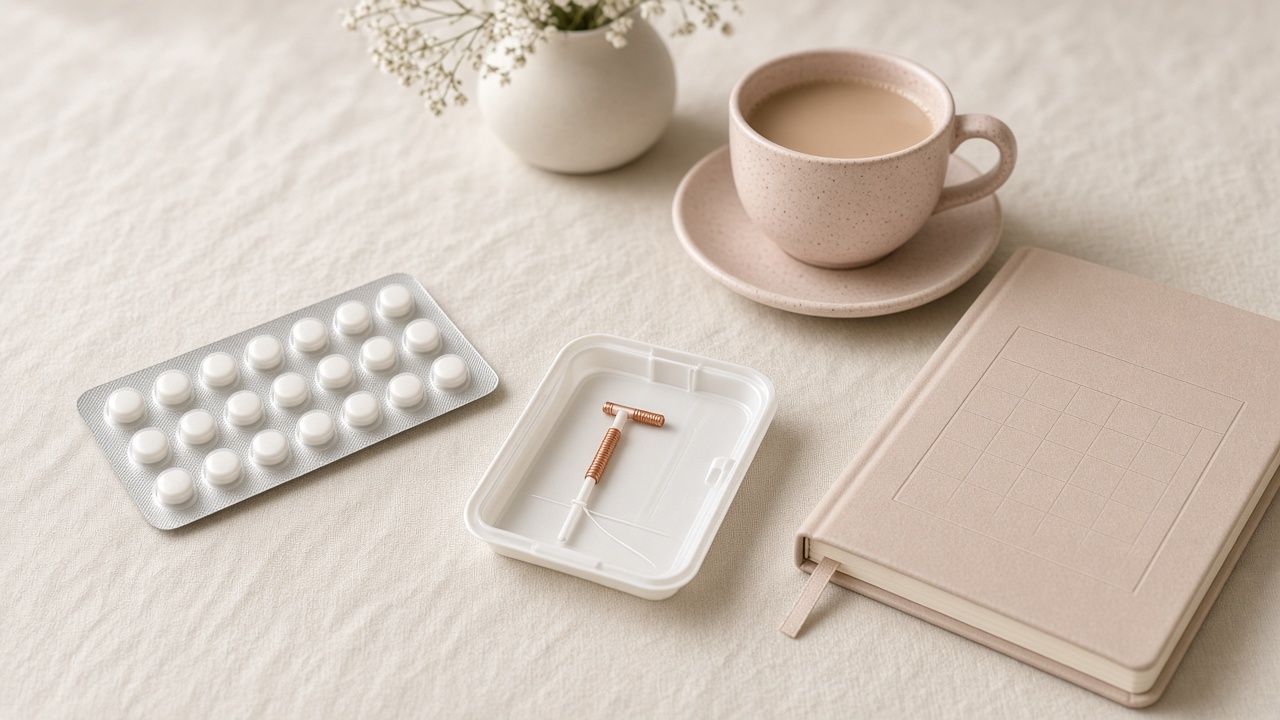
An IUD (intrauterine device) is a small, T-shaped method of contraception that is placed inside the uterus. There are two main types, copper and hormonal, and depending on the type it remains effective for roughly 3 to 10 years. It is inserted in a few minutes during an outpatient visit, can be removed whenever you wish, and fertility usually returns soon after removal.
What Is an IUD?
An IUD is a device made of flexible plastic, about 3 cm long. Once it is placed in the uterus, fine threads attached to its end pass through the cervix into the vagina. These threads make it possible to check at follow-up visits that the IUD is in place and to remove it easily when needed.
The IUD is one of the long-acting reversible contraceptive methods (LARC). Because it does not need to be remembered every day like the pill, the chance of pregnancy due to incorrect use is low.
Types of IUD
Copper IUD
- Contains no hormones.
- Copper ions impair sperm movement and prevent fertilization.
- Can be used for 5–10 years, depending on the model.
- In some women it may make periods heavier and longer, especially in the first few months.
- If inserted within five days of unprotected intercourse, it can also be used as emergency contraception.
Hormonal (levonorgestrel) IUD
- Releases a low dose of a progestogen hormone inside the uterus.
- Thickens cervical mucus and thins the lining of the uterus.
- Can be used for approximately 3–8 years, depending on the model and hormone content.
- Considerably reduces menstrual bleeding in most women; in some, periods may stop altogether over time.
- Besides contraception, it can be used to treat heavy menstrual bleeding and some cases of endometriosis.
Which type suits you is decided by considering your menstrual pattern, the amount of bleeding, your medical history and your personal preferences.
Who Is an IUD Suitable For?
An IUD is a suitable option for many women, including:
- Women who want long-lasting, reversible contraception
- Women who forget to take the pill or do not want a daily method
- Women who cannot use estrogen-containing methods (for example, while breastfeeding or because of certain health conditions)
- Women with heavy menstrual bleeding (hormonal IUD)
- Women who have never given birth – an IUD of an appropriate size can be used in this group as well
When an IUD may not be appropriate
- Pregnancy or suspected pregnancy
- Active pelvic infection or an untreated sexually transmitted infection
- Unexplained vaginal bleeding
- Fibroids or a uterine anomaly that significantly distort the uterine cavity
- Copper allergy or Wilson's disease (copper IUD)
- History of breast cancer (hormonal IUD)
Before IUD Insertion
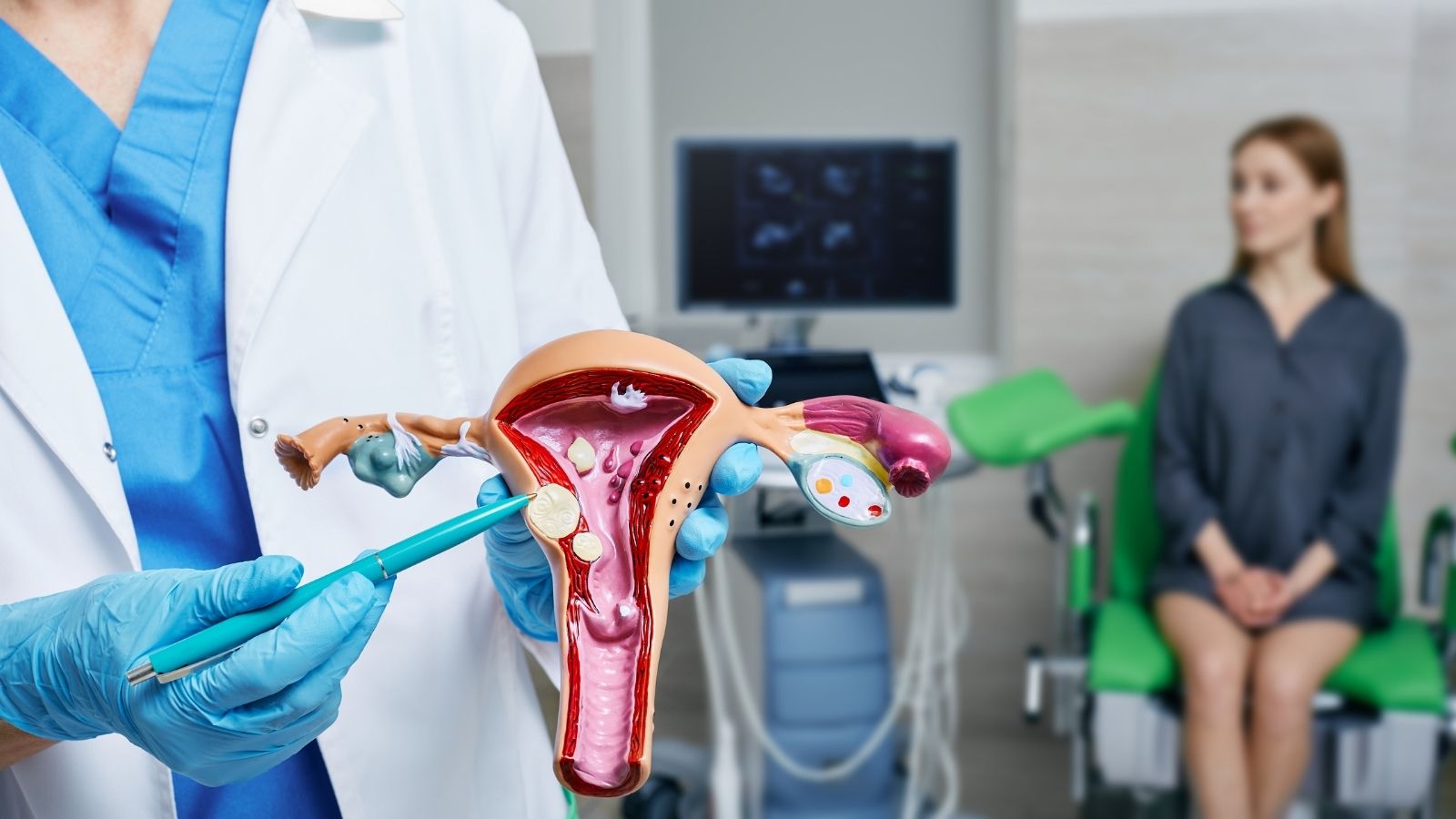
- The size, position and shape of the uterus are assessed with a gynecological examination and ultrasound.
- Pregnancy is ruled out.
- If needed, infection screening and a Pap smear test are carried out.
- The IUD is usually inserted in the last days of a period or just after it ends. It can also be inserted at other points in the cycle if pregnancy has been reliably excluded.
- After a vaginal birth or cesarean section, it is usually inserted after about six weeks. After a pregnancy loss, it can be inserted earlier if conditions are suitable.
How Is an IUD Inserted?
1. Preparation
You lie on the examination table, a speculum is inserted to view the cervix, and the cervix is cleaned with an antiseptic solution.
2. Measuring the uterus
The cervix is gently held with a special instrument and the length of the uterine cavity is measured. This helps position the IUD correctly.
3. Placement
The IUD is passed into the uterine cavity inside a thin inserter tube, where its arms open. The inserter is removed and the threads are trimmed to a suitable length.
4. Check
After insertion, the position of the IUD can be checked by ultrasound.
The procedure usually takes five to ten minutes. You may feel period-like cramps during insertion. If needed, pain relief can be taken beforehand or a local anesthetic applied to the cervix.
After IUD Insertion
The first few days
- Cramping and light spotting for a few days are common.
- Simple painkillers and a warm compress help.
- Most women return to their usual activities the same day.
The first months
- With a copper IUD, periods may be longer and heavier in the first few months.
- With a hormonal IUD, irregular spotting may occur in the first months; bleeding usually decreases over time.
Follow-up visits
- The first check-up is usually done 4–6 weeks after insertion, after your first period.
- After that, a routine gynecological check-up once a year is enough.
- You can learn to feel for the threads with your finger after each period.
When to see a doctor
- You cannot feel the threads, or you can feel part of the IUD itself
- Fever, foul-smelling discharge or severe lower abdominal pain
- A late period or suspected pregnancy
- Pain during intercourse
Possible Side Effects and Risks
The IUD is generally well tolerated. The main points to be aware of are:
- Displacement or expulsion: This is more likely in the first months, which is why follow-up visits matter.
- Infection: The risk rises slightly for a short time, mainly in the first weeks after insertion.
- Perforation of the uterine wall: A very rare complication.
- Pregnancy: Although rare, if pregnancy occurs with an IUD in place, ectopic pregnancy must be ruled out.
An IUD does not protect against sexually transmitted infections; condoms are recommended for that.
IUD Removal
When the IUD reaches the end of its lifespan or you are planning a pregnancy, it is removed in a few seconds during an office visit by gently pulling on the threads. If the threads cannot be seen, it can be removed under ultrasound guidance or by hysteroscopy. Fertility usually returns to its previous level soon after removal. If appropriate, an expired IUD can be replaced with a new one at the same visit.
How Does an IUD Compare With Other Contraceptive Methods?
When choosing a method of contraception, effectiveness, ease of use, side effects and personal preferences are considered together. Key features of the IUD compared with other methods:
- Versus the birth control pill: No daily use is needed. Because the copper IUD contains no hormones, it may be preferred by women concerned about estrogen-related side effects.
- Versus condoms: It is more effective at preventing pregnancy but does not protect against sexually transmitted infections.
- Versus tubal ligation: It is reversible – fertility returns once it is removed – whereas tubal ligation is considered a permanent method.
- Versus the contraceptive implant: Both are long-acting methods, but their effects on bleeding patterns differ.
Every method has its own advantages and limitations, so the choice is made after an examination, in line with your medical history and expectations.
The IUD and Your Menstrual Cycle
Different IUDs affect the menstrual cycle in different ways. Some women using a copper IUD have longer, heavier periods, which often settle after the first few months. With a hormonal IUD, bleeding usually becomes lighter and in some women periods stop completely. Not having periods because of a hormonal IUD is not harmful, and the cycle usually returns to normal once the IUD is removed. A check-up is advisable if your bleeding pattern changes unexpectedly or you have severe pain.
IUDs While Breastfeeding
Both copper and hormonal IUDs can be used while breastfeeding. The hormone dose in a hormonal IUD is low and is not considered to affect milk production. Insertion after childbirth is usually planned together with the postnatal check-up.
Choosing the Right IUD
When choosing an IUD, the amount and duration of your periods, period pain, your preferences about hormones, when you plan to become pregnant and your general health are all taken into account. For example, a hormonal IUD may be the better option for a woman with heavy periods, while a copper IUD may suit a woman who prefers to avoid hormones. The choice is made individually, based on examination and ultrasound findings.
Frequently Asked Questions
Does IUD insertion hurt?
Most women feel period-like cramps during the procedure. This usually passes quickly. If needed, steps can be taken in advance to reduce discomfort.
Can women who have never given birth have an IUD?
Yes. By choosing an IUD of an appropriate size, it can also be used by women who have not given birth.
Does an IUD cause weight gain?
The copper IUD contains no hormones, so it does not cause weight change. The hormone dose in a hormonal IUD is low, so significant weight change is not expected.
Can my partner feel the IUD during sex?
Usually not. If the threads cause discomfort, they can be trimmed to a suitable length at a follow-up visit.
How soon can I get pregnant after the IUD is removed?
Fertility usually returns soon after removal. Women planning a pregnancy are advised to start taking folic acid before conceiving.
How often does an IUD need to be replaced?
Depending on the model, copper IUDs can be used for 5–10 years and hormonal IUDs for approximately 3–8 years.
Can an IUD cause fibroids or cysts?
An IUD does not cause fibroids or ovarian cysts. Harmless functional ovarian cysts can occur in women using a hormonal IUD, and these usually resolve on their own.
Medical content: Op. Dr. Miray Sekkin Eser
This content is for general information only; diagnosis and treatment require an examination.
This page is general information. Your own plan is set after examination.