
Gynecology
What Are Fibroids? Symptoms, Types and Treatment Options
9 min read
What are fibroids, what symptoms do they cause, how are they diagnosed, and when are monitoring, medication or surgery recommended? Information on uterine fibroids.
Fibroids are growths that develop from the muscle tissue of the uterus, and the vast majority are benign. They are common in women of reproductive age and often cause no symptoms. They can, however, cause heavy periods, a feeling of pressure in the pelvis or frequent urination. Depending on the size and location of the fibroid, your symptoms and your plans for pregnancy, management may involve monitoring, medication or surgery.
What Are Fibroids?
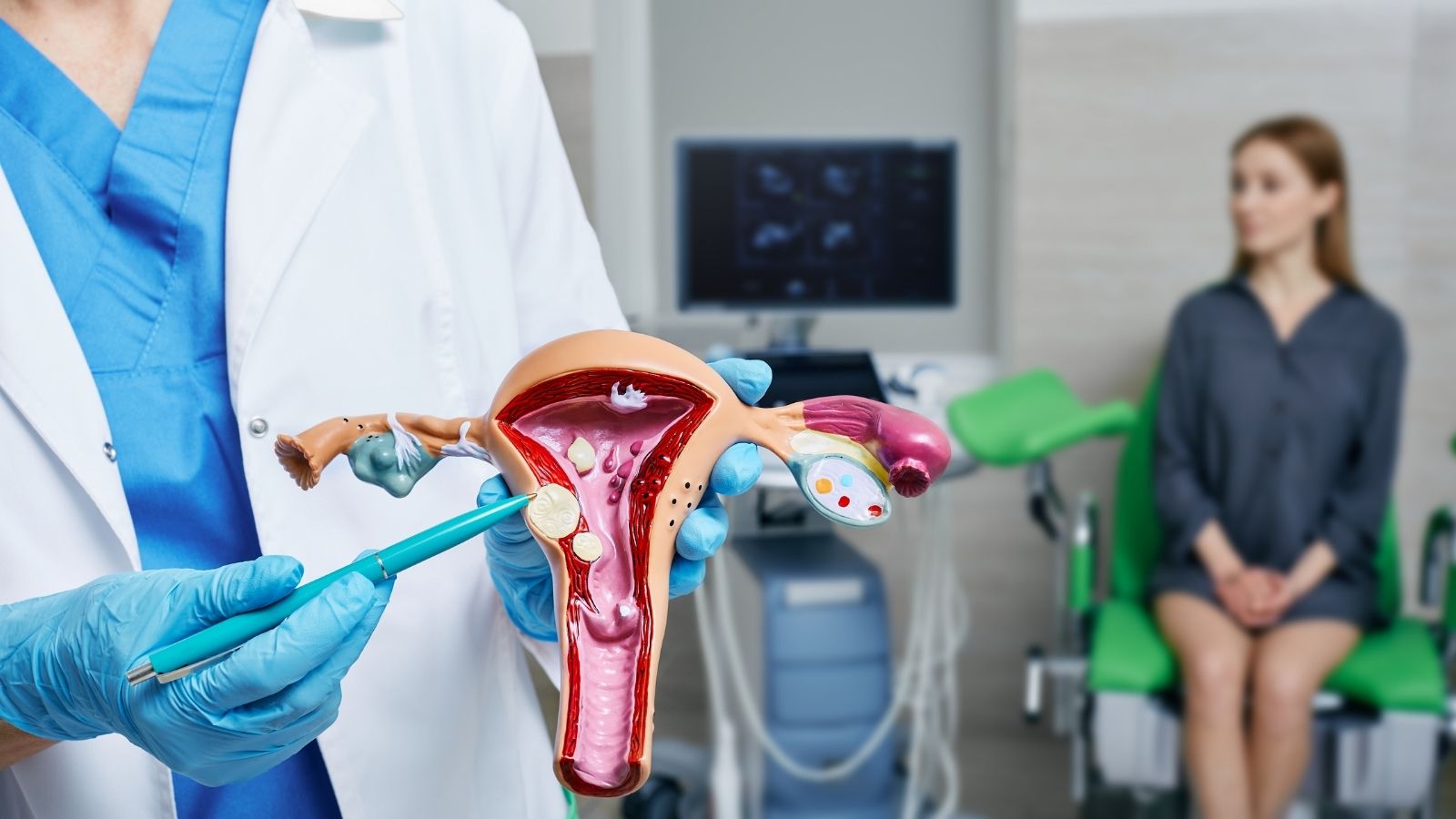
Fibroids – medically known as leiomyomas – are round, firm growths formed by uncontrolled but benign multiplication of smooth muscle cells in the wall of the uterus. They range in size from a few millimeters to several centimeters and, rarely, can grow even larger. There may be a single fibroid or several at the same time.
Fibroids are sensitive to the hormones estrogen and progesterone. For this reason they can grow during the reproductive years, may change in size during pregnancy and usually shrink after menopause. It is very rare for a fibroid to turn into a malignant tumor.
What Causes Fibroids?
The exact cause of fibroids is not known. Factors thought to be linked to their development include:
- Genetic predisposition: Women whose mother or sister has fibroids are more likely to develop them.
- Hormonal effects: Estrogen and progesterone promote fibroid growth.
- Age: They are more often found in women in their 30s and 40s.
- Early onset of periods and never having given birth
- Excess weight and vitamin D deficiency have also been linked to fibroids.
Types of Fibroids
Fibroids are classified according to where they are located in the wall of the uterus. This classification directly affects both symptoms and treatment options:
Subserosal fibroids
These grow towards the outer surface of the uterus. By pressing on neighboring organs such as the bladder or bowel, they can cause frequent urination, constipation or a feeling of fullness in the pelvis. Some are attached to the uterus by a thin stalk; these are called pedunculated fibroids.
Intramural fibroids
These sit within the muscular wall of the uterus and are the most common type. As they grow, they can enlarge the uterus as a whole and make periods heavier.
Submucosal fibroids
These lie just beneath the lining of the uterus and grow into the uterine cavity. Even when small, they can cause heavy, prolonged periods, spotting between periods and difficulty getting pregnant.
Symptoms of Fibroids
Many women with fibroids have no symptoms at all, and the fibroid is found by chance during a routine gynecological examination or ultrasound. When symptoms do occur, the most common are:
- Heavy, prolonged periods or periods with clots
- Bleeding or spotting between periods
- Anemia, weakness and tiredness due to heavy bleeding
- Pain, pressure or a feeling of fullness in the pelvis
- An enlarging abdomen
- Frequent urination or a feeling of not emptying the bladder completely
- Constipation
- Lower back and leg pain
- Pain during intercourse
- Difficulty getting pregnant or recurrent pregnancy loss (especially with submucosal fibroids)
Because these symptoms can have causes other than fibroids, they need to be assessed with an examination.
How Are Fibroids Diagnosed?
Gynecological examination
The size and shape of the uterus are assessed. Large fibroids may be felt during a manual examination.
Ultrasound
Transvaginal and abdominal ultrasound is the first-choice method for determining the number, size and location of fibroids.
Advanced imaging
When needed, especially before planning surgery, MRI can be used to map the fibroids.
Hysteroscopy and saline infusion sonography
These help assess fibroids that grow into the uterine cavity.
Blood tests
If bleeding is heavy, a complete blood count and iron levels are checked for anemia.
Treatment Options
Not every fibroid needs treatment. The decision is made individually, taking into account the severity of symptoms, the size and location of the fibroid, how quickly it is growing, your age and your plans for pregnancy.
Monitoring
Fibroids that cause no symptoms and are not growing are usually monitored with ultrasound once a year or at intervals set by your doctor. In women approaching menopause, the fact that fibroids may shrink over time is also taken into account.
Medication
Medicines do not get rid of fibroids, but they can relieve symptoms:
- Non-hormonal medicines that reduce bleeding, and painkillers
- Hormonal contraception and the hormonal IUD (for fibroids that do not distort the uterine cavity)
- Hormone-modulating medicines that shrink fibroids temporarily; these are usually used for a short time to prepare for surgery or when approaching menopause
- Iron supplements if there is anemia
Surgery
- Hysteroscopic myomectomy: Submucosal fibroids growing into the uterine cavity are removed through the cervix, without any incision.
- Laparoscopic (keyhole) myomectomy: Fibroids are removed through small incisions in the abdominal wall and the uterine wall is repaired.
- Open myomectomy: May be preferred when there are many fibroids or very large ones.
- Hysterectomy: For women who do not plan a pregnancy and whose symptoms cannot be controlled by other methods, removal of the uterus may be considered.
Other methods
In selected cases, uterine artery embolization performed by interventional radiologists, or focused ultrasound, may be considered. Their use is limited in women who plan to become pregnant.
How Does Treatment Work?
- 1Assessment: The fibroids are evaluated by examination, ultrasound and, if needed, advanced imaging.
- 2Discussing options: Suitable options are explained in detail in line with your expectations and pregnancy plans.
- 3Preparation: If surgery is planned, blood tests, treatment of anemia if needed and an anesthesia assessment are carried out.
- 4Treatment: Depending on the chosen approach, medication is started or a surgical procedure is performed.
- 5Follow-up: After treatment, check-ups with examination and ultrasound continue at regular intervals.
Recovery
Recovery time depends on the method used:
- Hysteroscopic procedures: Most women can go home the same day and return to daily life within a day or two.
- Laparoscopic myomectomy: Usually requires a one-night hospital stay. Daily activities can be resumed within one to two weeks, and strenuous activity after a few weeks.
- Open surgery: The hospital stay and recovery are longer; full recovery may take four to six weeks.
Women planning a pregnancy after myomectomy are usually advised to wait a few months to allow the uterine wall to heal. If fibroids extending deep into the uterine wall were removed, the mode of delivery is discussed during pregnancy care. Because fibroids can recur after treatment, regular check-ups are important.
Fibroids and Pregnancy
Most fibroids do not prevent pregnancy, and the pregnancy progresses normally. However, submucosal fibroids that distort the uterine cavity can make it harder to conceive. Fibroids may grow during pregnancy and cause pain, which is usually managed with rest and painkillers. For women with fibroids who are planning a pregnancy, whether to treat the fibroid before conceiving is decided on an individual basis.
Conditions That Can Be Mistaken for Fibroids
Other conditions that enlarge the uterus or cause heavy periods can produce symptoms similar to fibroids. These include adenomyosis (where the lining of the uterus grows into its muscle layer), endometrial polyps, endometrial thickening and ovarian masses. These conditions are distinguished using ultrasound and, if needed, further tests. An accurate diagnosis is important for choosing the right treatment.
Living With Fibroids
For women whose fibroids are being monitored, some habits can help manage symptoms:
- Keeping track of how heavy and how long your periods are, and mentioning any changes at your check-up
- Eating iron-rich foods if bleeding is heavy, and taking supplements if your doctor recommends them
- Staying physically active and maintaining a healthy weight
- Seeking care without waiting for your next appointment if you develop new pain, rapid abdominal enlargement or a marked change in your bleeding pattern
Information to Share at Your Appointment
When you come for a fibroid assessment, it helps to share the date of your last period, how long and heavy your periods are, whether you have bleeding between periods, when the pain occurs, any medicines you take and your plans for pregnancy. Bringing any previous ultrasound reports helps assess how quickly the fibroids have grown over time.
Frequently Asked Questions
Can fibroids turn into cancer?
Fibroids are benign, and the likelihood of them becoming cancerous is very low. Masses that grow rapidly or enlarge after menopause are evaluated separately.
Do fibroids shrink on their own?
Fibroids usually shrink after menopause as hormone levels fall. During the reproductive years, they are not expected to disappear on their own.
Does every fibroid need surgery?
No. Fibroids that cause no symptoms and are not growing are often simply monitored. Treatment decisions depend on your symptoms, the characteristics of the fibroid and your plans for pregnancy.
Do fibroids prevent pregnancy?
Most fibroids do not prevent pregnancy. Fibroids growing into the uterine cavity, however, can make it harder to conceive and may need treatment.
Can fibroids come back after surgery?
New fibroids can develop in the years after a myomectomy, so regular check-ups are recommended after treatment.
Is there a diet for fibroids?
No diet can make fibroids disappear. A balanced diet, maintaining a healthy weight and monitoring vitamin D levels are recommended for general health.
Related Articles
Medical content: Op. Dr. Miray Sekkin Eser
This content is for general information only; diagnosis and treatment require an examination.
This page is general information. Your own plan is set after examination.