
Gynecology
Types of Fibroids: Subserosal, Intramural and Submucosal Fibroids Explained
8 min read
What are the types of uterine fibroids? The difference between subserosal, intramural and submucosal fibroids, the FIGO classification, symptoms, effects on pregnancy and treatment by type.
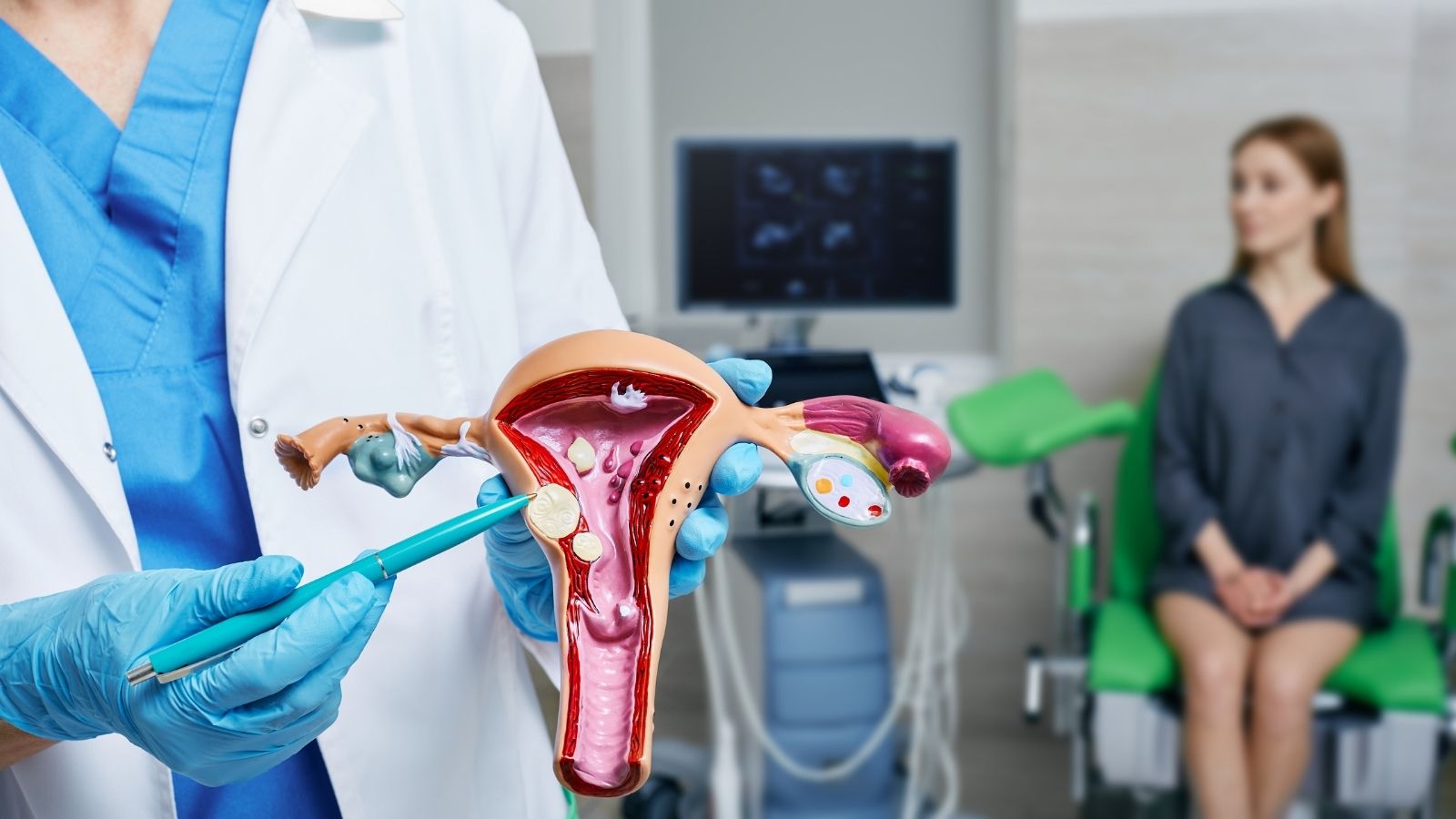
Uterine fibroids are grouped into three main types by location: submucosal fibroids grow toward the uterine cavity, intramural fibroids sit within the muscular wall, and subserosal fibroids grow outward from the outer surface of the uterus. The type of fibroid directly shapes its symptoms, its effect on pregnancy and which treatment is appropriate. The type is identified with ultrasound and, if needed, additional imaging.
Key Points
- Where a fibroid is located often matters more than its size.
- Submucosal fibroids can cause heavy bleeding and difficulty conceiving even when small.
- Intramural fibroids are the most common type; their size and effect on the uterine cavity are what matter.
- Subserosal fibroids usually don't cause bleeding but can cause pressure symptoms as they grow.
- The international FIGO classification numbers fibroids from 0 to 8.
- A woman can have several fibroids of different types at the same time.
What Is a Fibroid?
A fibroid (leiomyoma) is a benign tumor that develops from the muscle tissue of the uterus. Fibroids are very common in women of reproductive age and can grow under the influence of hormones. For general information on fibroids, their symptoms and causes, see our fibroids article.
The uterine wall has three layers, from inside out: the lining (endometrium), the muscle layer (myometrium) and the outer covering (serosa). Fibroid types are named after these layers.
Submucosal Fibroids
What are they?
These fibroids sit just beneath the uterine lining and grow into the uterine cavity. Some lie entirely inside the cavity, attached to the wall by a stalk.
Symptoms
- Heavy, prolonged periods
- Bleeding between periods
- Fatigue and palpitations from anemia
- Cramping pelvic pain
- Difficulty conceiving and recurrent miscarriage
Treatment approach
Submucosal fibroids can usually be removed with hysteroscopy, entering through the cervix without any abdominal incision. How much of the fibroid lies within the cavity determines whether it can be removed hysteroscopically in a single session.
Intramural Fibroids
What are they?
These fibroids sit within the muscular wall of the uterus and are the most common type. As they grow, they can enlarge the uterus and distort the shape of the cavity.
Symptoms
- Small intramural fibroids usually cause no symptoms.
- As they grow: heavy periods, period pain and a feeling of pelvic fullness
- Abdominal swelling from an enlarged uterus
- Frequent urination or constipation from pressure on the bladder or bowel
Treatment approach
Small intramural fibroids that cause no symptoms are usually monitored. For fibroids that cause symptoms or distort the cavity, options such as medication and laparoscopic or open myomectomy are considered.
Subserosal Fibroids
What are they?
These fibroids grow outward from the outer surface of the uterus into the abdominal cavity. Some are attached to the uterus by a thin stalk; these are called pedunculated subserosal fibroids.
Symptoms
- Usually no effect on menstrual bleeding
- Pelvic pressure and fullness as they grow
- Frequent urination from pressure on the bladder
- Constipation from pressure on the bowel
- Low back pain
- Rarely, sudden severe pain if a pedunculated fibroid twists on its stalk
Are subserosal fibroids dangerous?
Subserosal fibroids are also benign. They often cause no symptoms and are less likely than other types to affect pregnancy. Treatment may be needed if they become large or in rare situations such as twisting of a pedunculated fibroid.
Treatment approach
Subserosal fibroids that cause no symptoms are monitored. Those that cause symptoms or grow quickly can usually be removed laparoscopically.
Other Locations
- Cervical fibroids: Located in the cervix; rare, but important because of pressure on the urinary tract and surgical difficulty.
- Intraligamentary fibroids: Develop between the broad ligaments at the sides of the uterus.
- Parasitic fibroids: Detach from the uterus and draw their blood supply from another organ; very rare.
Why Do Fibroids Develop in Different Places?
It is not fully understood why fibroids grow toward the cavity in some women and toward the outer surface in others. A fibroid is thought to start from the uncontrolled growth of a single cell in the uterine muscle, and the depth of that cell within the uterine wall determines the direction of growth. Genetic predisposition, a family history of fibroids, hormonal factors and growth factors all play a role. The type of fibroid is not related to a woman's lifestyle or to anything she did wrong.
Comparing Symptoms by Fibroid Type
| Symptom | Submucosal | Intramural | Subserosal |
|---|---|---|---|
| Heavy periods | Common | With larger fibroids | Rare |
| Bleeding between periods | Possible | Rare | Not expected |
| Pelvic pressure, fullness | Rare | With larger fibroids | Common with larger fibroids |
| Frequent urination, constipation | Rare | With larger fibroids | Common (front- or back-growing) |
| Difficulty conceiving | Common | When the cavity is distorted | Rare |
FIGO Fibroid Classification
The International Federation of Gynecology and Obstetrics (FIGO) numbers fibroids by their position in the uterine wall. This system gives doctors a shared language, especially for treatment planning.
| FIGO type | Location |
|---|---|
| 0 | Entirely within the cavity, pedunculated submucosal |
| 1 | Submucosal, more than half within the cavity |
| 2 | Submucosal, more than half within the muscle |
| 3 | Within the muscle, touching the lining |
| 4 | Entirely within the muscle (intramural) |
| 5 | Subserosal, more than half within the muscle |
| 6 | Subserosal, more than half outside the uterus |
| 7 | Pedunculated subserosal |
| 8 | Other (cervical, parasitic, etc.) |
Fibroids that involve two layers can be described with combined numbers such as "2–5".
How Is the Fibroid Type Determined?
- Transvaginal ultrasound: The first and most commonly used method.
- Saline infusion sonography: Ultrasound performed after instilling saline into the uterus; clarifies the relationship of submucosal fibroids to the cavity.
- Diagnostic hysteroscopy: Allows direct visualization of the uterine cavity.
- MRI: Helpful for women with many fibroids, for surgical planning and for distinguishing fibroids from adenomyosis.
Fibroid Types and Pregnancy
| Type | Possible effect on pregnancy |
|---|---|
| Submucosal | May make conception harder and raise miscarriage risk; removal often improves the chance of pregnancy |
| Intramural | Large fibroids and those distorting the cavity may affect pregnancy; the effect of small ones is debated |
| Subserosal | Usually does not affect conception |
This topic is covered in detail in our fibroids and pregnancy article.
Treatment Summary by Type
Treatment depends on the fibroid's type, size and number, the symptoms and pregnancy plans. In general, hysteroscopy is favored for submucosal fibroids, while laparoscopic or open myomectomy is favored for intramural and subserosal fibroids. For medication and non-surgical options, see our fibroid treatment article.
Terms in Your Ultrasound Report
Reports often include phrases such as "32 mm intramural fibroid," "indenting the endometrium" or "subserosal–pedunculated." "Indenting the endometrium" means the fibroid affects the shape of the uterine cavity, which is especially important for women planning pregnancy. It's best to go over the terms in your report with your doctor. For other structural uterine conditions, see our uterine conditions page.
Frequently Asked Questions
What are the types of fibroids?
By location, fibroids are divided into three main types: submucosal (toward the cavity), intramural (within the muscle wall) and subserosal (on the outer surface). There are also rarer locations such as cervical and pedunculated fibroids.
What is an intramural fibroid?
It is a fibroid located within the muscular wall of the uterus and is the most common type. Small ones usually cause no symptoms; as they grow, they can cause heavy periods, pain and pressure symptoms.
Are subserosal fibroids dangerous?
Subserosal fibroids are benign and often cause no symptoms. As they grow they can cause pressure symptoms, and pedunculated ones can rarely twist and cause sudden pain.
Do submucosal fibroids affect pregnancy?
Because submucosal fibroids affect the uterine cavity, they can make conception harder and raise the risk of miscarriage. Removing them with hysteroscopy often improves the chance of pregnancy.
How are subserosal fibroids treated?
Subserosal fibroids that cause no symptoms are monitored. Those that cause symptoms or grow can usually be removed laparoscopically.
Which type of fibroid causes the most bleeding?
Submucosal fibroids, which grow into the uterine cavity, are the type most likely to cause heavy periods, even when small. Large intramural fibroids that distort the cavity can also cause bleeding.
Can a fibroid change type?
A fibroid's location generally stays the same, but as it grows it can extend into neighboring layers. That's why its relationship to the cavity is reassessed on follow-up ultrasounds.
This article is for general information only and does not replace diagnosis or treatment. A personal assessment requires an examination.
This page is general information. Your own plan is set after examination.