Gynecology
Endometriosis Treatment: What Patients Report
7 min read
What do patients report about endometriosis treatment? Common experiences with hormonal medication, laparoscopic surgery, recovery, return to work and fertility concerns.
Endometriosis treatment is a personalized process that may combine hormonal suppression, laparoscopic surgery and supportive approaches, with the aim of restoring quality of life. Patient feedback shows that, in particular, the reduction in chronic pelvic pain after surgery and good management of side effects during medical treatment play a key role in how well women recover. The right approach depends on your symptoms, ovarian reserve and plans for children, and is shaped by evidence-based strategies and a specialist's assessment. When endometriosis is diagnosed early, current techniques aim to lower the chance of recurrence and provide long-term comfort. The experiences below are personal accounts; results vary and do not replace a medical assessment.
What Do Patients on Medication for Endometriosis Report?
The first step in managing endometriosis is usually hormonal medication, planned to slow the progression of the disease and control the symptoms that lower quality of life. Feedback from women using newer medications that suppress estrogen to help lesions shrink shows that the greatest satisfaction is in pain control. Many say they have largely been freed from severe pelvic pain that, for years, sent them to the emergency room every cycle, kept them in bed for days and isolated them from social life.
Women often say that not only cyclical pain but also pain during sex, which is very draining emotionally, tends to ease during this time. Even in deeper cases where the disease has spread toward the bowel or diaphragm, a noticeable improvement in quality of life is the goal. The main areas where patients report positive change with medication include:
- Chronic pelvic pain
- Severe period pain
- Pain during sex
- Cramps during bowel movements
- Cyclical fatigue
Women who see some shrinkage of their chocolate cysts (endometriomas) on follow-up ultrasounds consider being able to return to their daily routine without pain, and without surgery, the biggest benefit of treatment.
What Side Effects Do Patients Report With Hormonal Treatment?
Although medication usually works well for easing pain, the side effects can sometimes be very hard to bear. Accounts from women who decided to stop treatment show that physical and emotional changes made it unsustainable for them. One of the most commonly mentioned difficulties is significant weight gain over a relatively short time that is hard to lose. Stubborn hormonal acne and heavy hair shedding can also affect body image.
Another notable theme is the effect on sexual life. Reduced sex drive and vaginal dryness are frequently mentioned as hormonal balance changes. Some emotional ups and downs are also expected. Even women with no previous psychological difficulties may say they felt low, had anxiety attacks or felt irritable for no reason after starting treatment. The side effects patients complain about most are:
- Rapid weight gain
- Hair shedding
- Hormonal acne
- Low sex drive
- Low mood
- Irregular breakthrough bleeding
Spotting and returning pain when the medication isn't taken on time or a dose is missed are also frequently reported as factors that make it harder to stick with treatment. If side effects are troublesome, they should be discussed with your doctor rather than stopping treatment on your own.
What Do Women Planning Pregnancy While on Medication Tell Us?
One of the most common situations in patient forums and surveys is confusion about pregnancy planning and how the medication works in the body. When periods stop while taking medication given to slow the growth of chocolate cysts, some women interpret it as "infertility" or as "full protection against pregnancy". Many who say they stopped having periods after starting the medication worry a great deal about whether they could be pregnant after unprotected sex.
This shows it isn't always understood that, even though these medical treatments suppress ovulation by their nature, they are not officially contraceptive pills. The medications used do not provide guaranteed protection against pregnancy. That's why using another method of contraception during treatment is very important, to avoid unplanned pregnancy worries and the clinical complications that may follow. Choosing a non-hormonal barrier method such as condoms helps treatment continue safely and also brings peace of mind.
What Do Patients Say in the Early Days After Endometriosis Surgery?
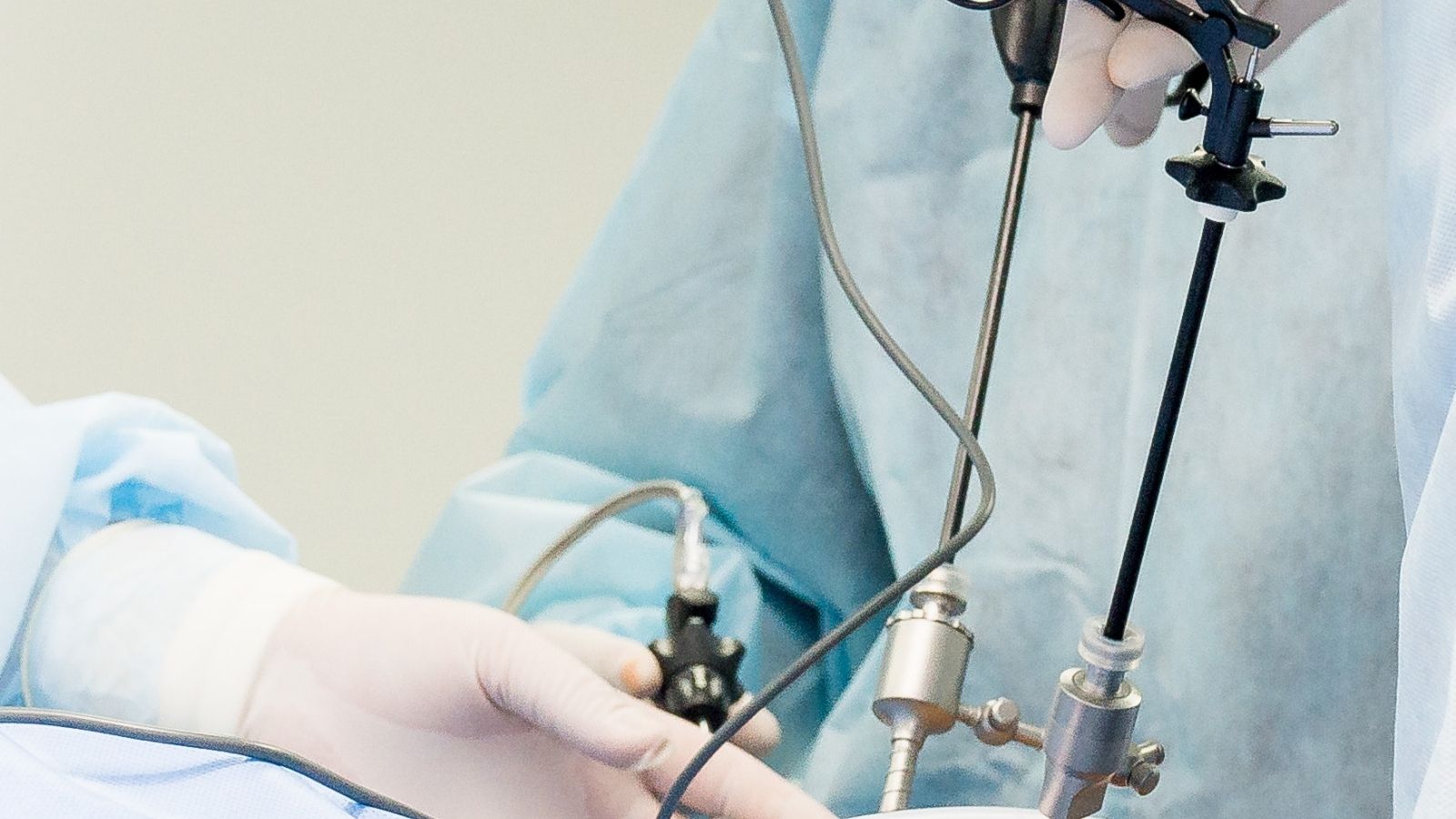
Surgery is considered when there is not enough response to medication, when a cyst grows large enough to affect quality of life, or when severe pain continues. Accounts from women who have had laparoscopy (keyhole surgery), the method commonly used today, contain two contrasting themes. On one side is the great relief felt on waking from anesthesia. Many describe the chronic, exhausting pain that radiated to their legs, groin and back for years largely disappearing right after the operation. Mild soreness at the incision sites seems quite bearable compared with the pain they lived with before.
On the other side is gas pain, the thing that troubles patients physically the most in the first days. The carbon dioxide gas used to inflate the abdomen so the organs can be seen clearly can irritate the diaphragm and cause a sharp discomfort felt in the shoulders and collarbones. Practical tips patients recommend to each other for getting through this early period include:
- Getting up early after surgery
- Taking short walks
- Drinking mint tea
- Taking a warm shower
- Eating light, mostly liquid meals
Slow walks along the hospital corridor or at home are among the most natural and supportive steps for relieving bloating and shoulder gas pain.
What Do Patients Say About Returning to Work After Laparoscopy?
Recovery after laparoscopic procedures is generally much more comfortable and faster than after traditional open surgery. Many patients say it is encouraging to go home after just one night in the hospital. How quickly you return to normal life, social activities and work depends largely on the physical demands of your job.
Women with desk or office jobs often say they were able to return to work safely within one to two weeks, while for women whose jobs require standing for long periods, lifting or heavy physical effort, this can take up to a month. Based on patients' experiences, recommended rules for reducing the risk of infection and allowing the tissues to heal well during recovery include:
- Avoiding baths
- Not swimming in pools or the sea
- Showering standing up
- Not using tampons
- Avoiding strenuous exercise
Giving your body the time it needs, so that you feel fully recovered and can return to normal sexual activity after your doctor's follow-up, is one of the most important factors in a good recovery.
What Do Patients Say About Ovarian Reserve Before Endometriosis Surgery?
One of the most common emotions in the accounts of women planning to have children, who did not get the result they hoped for from IVF, or who are not yet married, is fear of infertility. Comments like "I have wanted to be a mother for years, but my cysts are standing in the way" clearly reflect the emotional exhaustion involved. When surgery is decided on, the fear of whether it will harm ovarian reserve (AMH levels) becomes a major question.
With advances in surgical techniques and a tissue-sparing approach, the aim is to keep the effect of a well-planned operation on ovarian reserve as small as possible. Carefully separating the cyst from healthy tissue, or using energy sources that are gentle on tissue, can help preserve existing capacity after surgery. Indeed, the many women who share that they conceived naturally after surgery help ease these worries. Women who froze their eggs as a precaution before surgery also say they felt much calmer going into the operation and that the heavy psychological pressure was greatly reduced.
This page is for general information only. A personal plan can only be made after an examination.
This page is general information. Your own plan is set after examination.