Gynecology
Hysterectomy (Removal of the Uterus): What Patients Report
9 min read
What do women who have had a hysterectomy report? Experiences before and after surgery, laparoscopic and vNOTES recovery, sexual life, weight and menopause.
A hysterectomy (removal of the uterus) is a surgical procedure used to treat serious gynecological problems, and feedback from women after surgery directly reflects their experiences and the quality of their recovery. What women share about their choice of surgical method, their comfort after surgery and their long-term quality of life can be a helpful reference for those planning surgery. Real experiences shed light on how the procedure affects daily activity, sexual life and emotional adjustment, and can reduce uncertainty. Patient accounts help illustrate the benefits of modern surgical techniques and the individual differences in recovery, but they do not replace a personal medical assessment.
What Emotional Concerns and Fears of Losing an Organ Do Women Have Before Deciding?
Looking at feedback from before surgery, many women focus less on the medical process and more on the emotional weight of losing an organ. Because the uterus is often associated with femininity, fertility and bodily wholeness, losing it can feel like losing part of one's identity. Phrases frequently seen in forums, such as "Will I no longer feel like a complete woman?" or "Will my whole life be turned upside down?", clearly show this intense anxiety. But when the uterus has become a source of exhaustion because of fibroids, uncontrollable bleeding or chronic pain, removing it usually brings the body great relief.
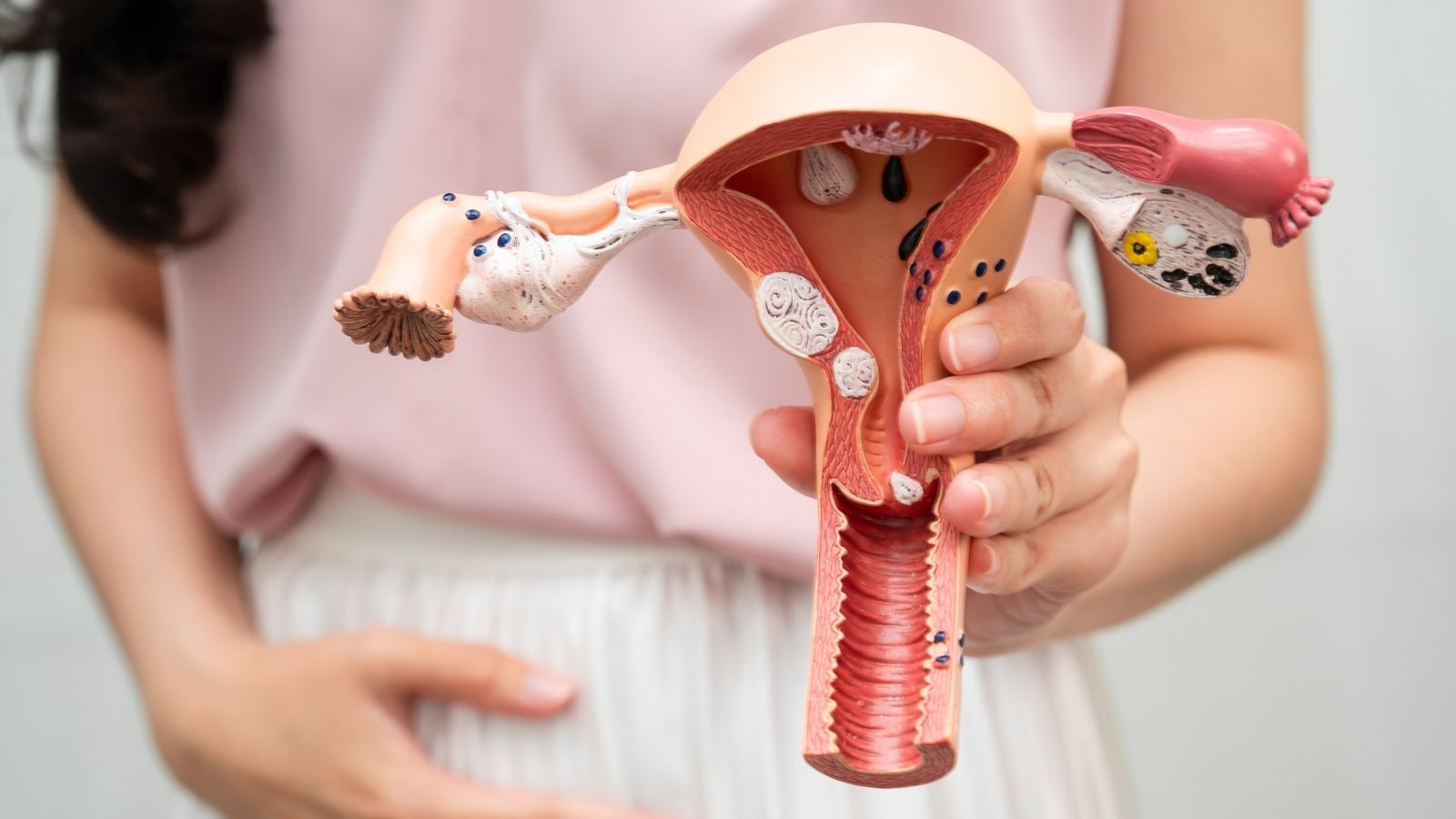
One of the physical fears most often mentioned is the feeling that a huge empty space will be left in the abdomen. Women worry that their organs will sag or that something missing inside will cause imbalance. Human anatomy adapts well to change. When the uterus is removed, the small space it leaves is naturally filled by surrounding tissue such as the bowel, and the top of the vagina is supported by attaching it to ligaments. So this uncomfortable feeling of emptiness is usually not experienced. Fear of general anesthesia and of not waking up are other common topics. These fears disrupt sleep and put the body under stress. Being well informed and letting go of unfounded fears helps women wake up on the morning of surgery feeling much calmer and more relaxed.
What Do Women Say About Comfort and Recovery After Laparoscopic Hysterectomy?
In the past, hysterectomies were done through quite large abdominal incisions. In patient accounts, this meant long hospital stays, persistent wound pain and a difficult recovery. With advances in medicine, laparoscopic (keyhole) methods, which are now often preferred, have changed patient feedback for the better. Women who have had laparoscopy frequently say recovery was much easier than they expected. In this method, the operation is done with special instruments and a camera through a few small openings of a few millimeters around the navel and lower abdomen. Because the large abdominal muscles are kept intact, pain after surgery is greatly reduced. Many women say they didn't need strong painkillers and were able to get up and leave the hospital comfortably the next day.
According to women who had keyhole surgery, the advantages include:
- Minimal need for painkillers
- A short hospital stay
- Getting up and about quickly
- Small, discreet scars
- A low chance of infection
This method is very convenient especially for women who want to return to work quickly or don't want to be away from their daily routine for long. Everyone heals at their own pace, but overall satisfaction after keyhole surgery is generally high.
What Do Women Who Chose Scarless vNOTES Hysterectomy Say?
vNOTES, one of the most talked-about recent developments in gynecological surgery, is met with surprise and satisfaction in patient accounts. In this method, which uses the natural vaginal opening, not a single incision is made in the abdomen; the operation is done entirely through natural routes with special endoscopic cameras. The sentence most often heard from women who had this method is: "I couldn't believe I'd had surgery; it felt like I'd just come out of a simple examination." Women who see no dressings, stitches or scars on their abdomen tend to experience the operation as much less of an ordeal psychologically.
Having no visible wound helps women regain confidence in their bodies quickly. Because the abdominal wall stays intact, the aim is to avoid the problems that worry patients most, such as restricted movement, infected incisions or later hernias. Women say they were walking in the corridor on their own just a few hours after surgery and could do small tasks at home without long rest. Having no visible scar is also reassuring for those who want to keep the surgery private or have aesthetic concerns. In this method, it is very clear how emotional recovery can speed up physical recovery.
What Do Women Who Had Classic Vaginal Hysterectomy Report in the Long Term?
For suitable patients with uterine prolapse or significant descent of the pelvic organs, classic vaginal hysterectomy has been used for many years. Women who choose this method usually give very positive feedback in the first months because there is no abdominal scar. When the heaviness, friction and pressure on the bladder caused by the prolapsed tissue go away, they often say their daily comfort has improved markedly. Moving, walking and even sitting become much more comfortable.
However, reading long-term accounts over the years carefully, some different experiences are also shared. Although removing the uterus solves the prolapse at the time, if the pelvic floor, the muscle layer that supports the organs from below, is structurally weak, a feeling of descent or laxity at the top of the vagina may return in later years. That's why women are advised to keep looking after their bodies even after recovery is complete.
To protect pelvic health in the long term, women should include the following in their lives:
- Avoiding heavy lifting
- A diet that prevents constipation
- Pelvic floor muscle exercises
- Maintaining a healthy weight
- Treating chronic cough
Women who take these precautions and don't overstrain their bodies say they can live comfortably into later life without problems with the supporting tissues.
Do Patient Accounts About Sex After Hysterectomy Reflect Reality?
One of the things women worry about most is how surgery will affect their sexual life. Many anxious comments circulate online, such as "Will my sex life be over?" or "Will I not feel anything anymore?" But looking at real patient experiences, these fears are mostly unfounded. Women who had a hysterectomy for benign reasons such as fibroids, heavy bleeding or chronic pelvic pain often say sex became much less painful and more enjoyable than before surgery, because the growths causing pain during sex and the constant fear of bleeding are gone, bringing great psychological relief. Anatomically, in a simple hysterectomy the clitoral nerve endings responsible for pleasure and the sensitive outer parts of the vagina are usually not affected, so a physical loss of sensation is not expected.
In more complex situations such as cancer, where more extensive surgery is done, things can be somewhat different. When the ovaries also need to be removed, the sudden drop in estrogen can cause vaginal dryness. Women who experience this say in their accounts that water-based lubricants and local moisturizing creams used under a doctor's supervision helped them manage it easily. After surgery, a rest period of usually six to eight weeks is recommended so the pelvic area can heal well and be protected from infection. During this waiting period, a patient, understanding and supportive partner plays a very important role in helping a woman rebuild confidence in her body.
How Should Accounts of Weight Gain, Quality of Life and Menopause After Hysterectomy Be Understood?
Another hotly debated topic on patient platforms is whether you gain a lot of weight after a hysterectomy and whether you go into menopause straight away. In many comments, women complain of putting on weight quickly after surgery. But medically, removing the uterus alone does not slow metabolism or directly cause the body to store fat. The main reason for weight gain is usually a long period of inactivity after surgery without adjusting eating habits to reduced physical activity. Women who recover well and return to an active life say that, freed from their pain, they find it easier to make time for walking and exercise and therefore to control their weight.
Menopause depends entirely on the ovaries. Younger women whose ovaries are preserved during surgery continue to produce hormones, so they do not suddenly experience menopausal symptoms such as hot flashes, bone loss or mood swings. Women describe this as a great piece of luck. If the ovaries had to be removed for medical reasons, the body enters surgical menopause quickly. But this, too, is quite manageable with supportive lifestyle steps.
Routines recommended for staying in good shape include:
- Daily light walks
- Adequate calcium intake
- A vegetable-rich diet
- Regular, sufficient sleep
- Avoiding sugary foods
Women who build these simple but powerful habits into their lives often say that, even years later, their health is much better than before and that they see the operation as opening a fresh, clean page in their lives. When reading patient accounts, it is always safest to remember that every recovery story is unique and to go through the process with medical guidance.
This page is for general information only. A personal plan can only be made after an examination.
This page is general information. Your own plan is set after examination.