IVF
IVF Treatment Cost in Ankara
7 min read
What affects the cost of IVF? Pre-treatment procedures, medication doses, laboratory techniques, genetic testing, add-ons, embryo freezing and male-factor surgery explained without fixed prices.
The cost of IVF depends on the cause of the couple's infertility, the current reproductive capacity of both partners and the personalised medical protocols planned to achieve pregnancy. Rather than a standard package price, each couple has a cost picture shaped by their genetic, physical and hormonal needs. High-standard laboratory equipment, specialised consumables and skilled medical procedures form the basis of the total budget. Careful planning that focuses only on real medical needs helps avoid unnecessary spending and sets the most efficient financial framework for the journey.
Why Does the Cost of IVF Vary So Much From Patient to Patient?
Couples starting treatment often notice that the budget suggested to them does not match another couple's. The causes of infertility work through different mechanisms in different people. The plan for a young patient whose only problem is blocked tubes is completely different from that for a couple where the woman has age-related low egg reserve and the man has sperm abnormalities. These differences create new needs at every stage, from the first ultrasound to growing the embryo in the laboratory.
Consumables such as culture media, microinjection needles and embryo storage materials are often imported, so infrastructure costs can change over time. What really makes the difference, however, is an accurate medical assessment that puts the process on the right track from the start. A plan that leaves out unnecessary tests and chooses well-targeted methods can greatly reduce the extra burden of unsuccessful attempts.
How Do Pre-Treatment Procedures Affect the Cost of IVF?
Before starting medication, understanding the condition of the uterus and ovaries clearly is the foundation of the process. If there are anatomical barriers or hormonal imbalances that could make pregnancy harder, correcting them first can improve the outlook. If hormone tests on specific days of the cycle suggest that the ovaries may respond poorly to medication, the protocol may be reconsidered, which helps avoid spending on medicines unlikely to work.
Structural problems inside the uterine cavity that could prevent implantation may also be found. In such cases minor corrective procedures may be considered before IVF begins. Although these steps add to the budget, they are important for a healthier process. Procedures that may be needed include:
- Hysteroscopy
- Salpingectomy (for example, for a fluid-filled, blocked tube)
- Polyp removal
- Fibroid removal
How Much Do Stimulation Medication Doses Affect the Cost?
The medicines used to stimulate the ovaries are among the most variable items in an IVF budget. Their type, daily dose and total duration are adjusted to the woman's age, body mass index and ovarian reserve, so each patient's pharmacy costs differ.
Different protocols are used. In the commonly preferred short (antagonist) protocols, medication is used for a limited time, so the hormone load is lower and costs can often be kept within reasonable limits. In some women with reduced ovarian reserve, protocols with higher doses may be preferred. Fine-tuning doses to each person's biological needs helps avoid unnecessary costs.
How Do Advanced Laboratory Technologies Affect the Cost?
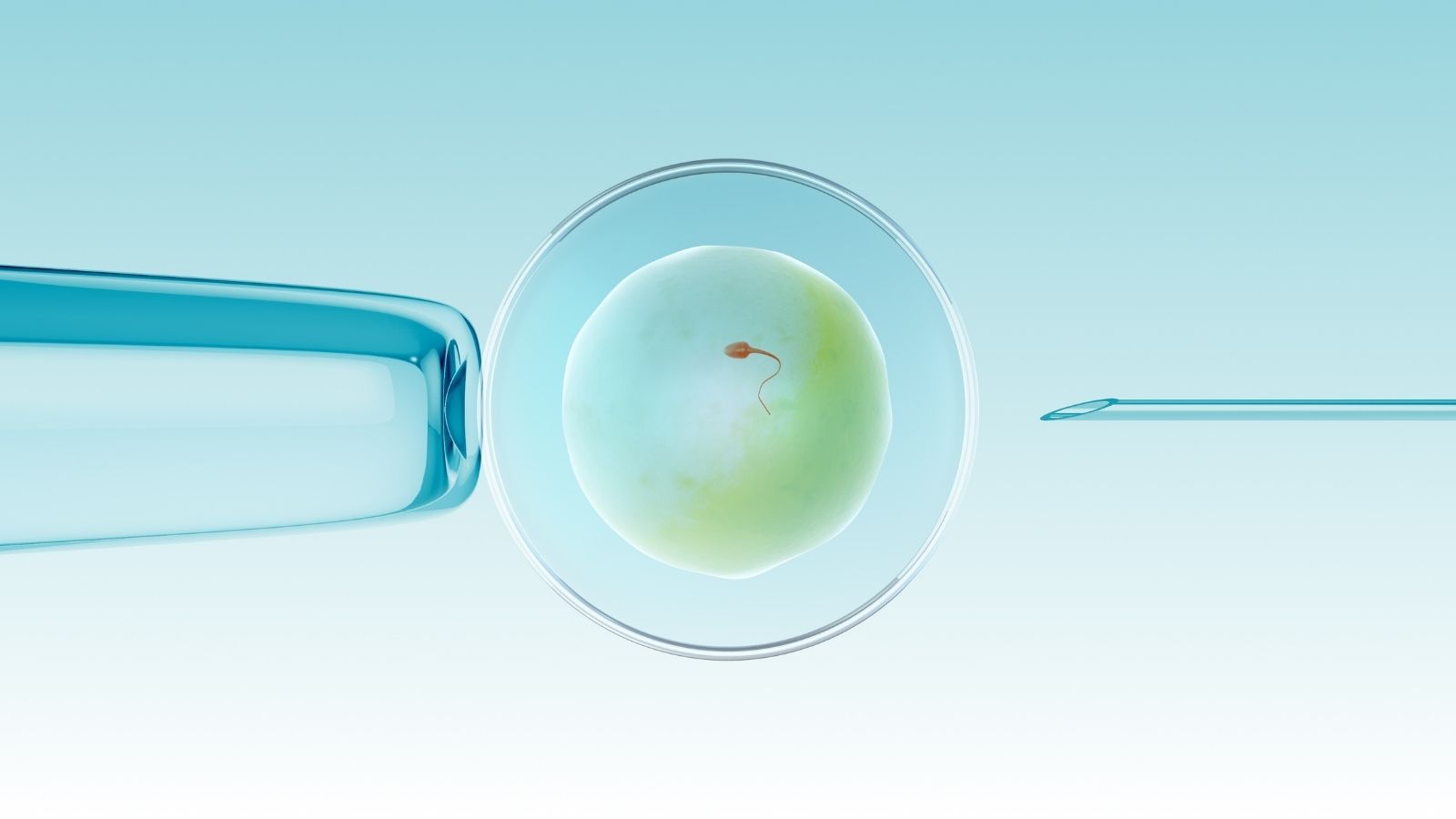
In a standard cycle, eggs are collected, fertilised with sperm and carefully grown in incubators. In more complex situations, additional technologies may be used to follow embryo development in detail or to support fertilisation. Because they require advanced infrastructure, these can add to the cost.
They range from continuous camera monitoring of embryos without removing them from the incubator to selecting sperm under very high magnification. Laboratory techniques that may be added include:
- Piezo-assisted ICSI
- Calcium ionophore (artificial oocyte activation)
- High-magnification sperm selection
- Embryo glue
- Assisted hatching (zona thinning)
It is worth knowing that for several of these add-ons the evidence of benefit is limited or applies only to specific groups of patients, so they should not be used routinely but only when there is a clear indication.
How Does Preimplantation Genetic Testing Change the Cost?
When the woman is older, there is a history of recurrent miscarriage, or previous attempts have failed, genetic testing of embryos may be suggested. In this procedure, a few cells are taken from each embryo under special microscopes before transfer and examined in the laboratory for chromosomal makeup.
The process requires advanced next-generation equipment. There is a basic preparation cost for genetic analysis, and the cost tends to rise with the number of embryos tested. Considering the emotional and physical strain of transferring an embryo with a possible abnormality, testing can be a protective step for some families; whether it is suitable should be discussed individually.
How Do Treatments That Support the Uterus Affect the Cost?
Complementary treatments are sometimes added with the aim of helping the uterine lining reach a suitable thickness, reducing the possibility of immune rejection, or supporting reduced ovarian reserve. These range from injecting fluids prepared from the person's own blood into tissues to infusions intended to calm the immune system.
None of these are routine for every patient. They may be considered only when there is a specific medical reason or in light of previous failed attempts. Each requires special sterile kits and can affect the budget to varying degrees. Additional procedures sometimes discussed include:
- Ovarian PRP
- Intrauterine PRP
- Intralipid infusions
- Immunoglobulin infusions
The scientific evidence for these treatments is still limited, and they are considered experimental or not recommended by many professional guidelines. Lymphocyte immunisation, which is mentioned in some sources, is not recommended by current guidelines and is not included here. These options should be discussed in detail with your doctor before any decision.
Can Embryo Freezing and Embryo Banking Offer a Cost Advantage?
Instead of transferring embryos fresh, freezing them with special techniques can sometimes be a healthier route. If the ovaries respond much more strongly than expected, the transfer is postponed to protect the woman's health; the embryos are frozen and the body is allowed to return to its natural balance. Freezing and storage add laboratory costs at first. However, transferring in a later, more natural cycle may support implantation and can help avoid starting a whole new cycle from scratch after a failure.
A similar strategy is embryo banking, used in women with very low egg reserve. Egg collection is done over several consecutive months to accumulate good-quality embryos, and transfer is done once the desired number is reached. Because each collection requires anaesthesia, short-term costs rise, but the approach is designed to support the cumulative chance of pregnancy.
How Do Male-Factor Procedures Change the Cost?
The journey to parenthood also places the future father at the centre. If no sperm are found in semen tests, surgical sampling from the testicular tissue may be needed in the hope of finding sperm. These procedures are done not in an office setting but in an operating room, sometimes with surgical microscopes.
They require coordination between the urology team, operating room staff and anaesthetists, while embryologists in the laboratory may spend many hours searching the tissue for sperm. All this work and infrastructure affects the budget. Surgical procedures that may be needed include:
- Fine-needle aspiration (TESA)
- Testicular sperm extraction (TESE)
- Microdissection TESE (micro-TESE)
Does a Clinic's Overall Infrastructure Have a Hidden Effect on Cost?
Behind the scenes, an extensive laboratory infrastructure supports the whole treatment. Air filtration systems that remove the smallest particles from the embryology laboratory and backup systems that keep incubators at a stable temperature twenty-four hours a day are part of this invisible world. Supplying the special gases needed to keep the environment as close to natural as possible is also demanding. These quality standards are reflected in the overall cost, and it is useful to ask about them when comparing options.
This page is for general information only. A personal plan can only be made after an examination.
This page is general information. Your own plan is set after examination.