IVF
Tubal Ligation and Tubal Reversal Surgery: Patient Experiences
10 min read
What do patients say about tubal ligation and tubal reversal surgery? Learn about regret in young women, spousal consent, menstrual changes, sex life, IVF versus surgery and ectopic pregnancy risk.
Note: The experiences summarized on this page are personal accounts shared by patients. Results vary from person to person, and these accounts do not replace a medical assessment.
Tubal ligation is a permanent method of preventing pregnancy, while tubal reversal (tubal reanastomosis) is the repair of the tubes by microsurgery to regain fertility. Patient accounts of these operations give a broad picture of people's expectations and recovery experiences after surgery. Although success rates vary with the technique used to close the tubes and the damage caused, reversal offers suitable candidates a chance of natural pregnancy. These experiences can serve as a basic reference for choosing a surgical method and for what to pay attention to afterwards, and they help couples make more informed decisions about their own bodies and future plans.
Why Do Accounts of Tubal Ligation at a Young Age Often Mention Regret?
Some women who decide on tubal ligation at a young age question that decision later. Patient accounts found on digital platforms suggest that regret may be more pronounced in the group under thirty. The belief at the time that family planning was complete can change over the years with the different developments life brings. This change is the main motivation of patients who come to clinics hoping to become mothers again. Observations show that a certain percentage of women who had their tubes tied look into tubal reversal within the first five years. Unexpected events in the natural flow of life can reshape ideas about having children. The main reasons women give for wanting to regain fertility after ligation include:
- A new marriage
- Improved financial circumstances
- Changing career goals
- A wish to add a new member to the family
- Psychological changes
This feedback shows how important it is to think carefully from many angles before deciding on permanent sterilization. Reversing a surgical procedure is often a difficult and costly path, and success is not guaranteed. For this reason, young patients are usually better advised to consider modern, long-acting but reversible contraceptive methods before taking a permanent decision.
How Does Spousal Consent Affect Patient Accounts and Psychology?
Under the legal regulations applied in Turkey, spousal consent is a much-debated topic among accounts of tubal ligation. The requirement for women to get their husband's consent for a medical procedure on their own bodies is received in different ways by patients. Many perceive this legal process as interference with their decision-making. A weakened sense of bodily autonomy can create psychological pressure. On patient forums, tension during the consent process is often described as increasing stress before surgery, and it can create emotional distance between couples long before the procedure. Regulations differ between countries and can change, so it is worth checking the current rules. Because this legal framework is more of an administrative step than a medical requirement, it is valuable for couples to talk openly to avoid communication problems. Decisions made reluctantly or under a partner's pressure can show up years later as deep regret, anger or low mood. Good family support and clear, open discussion greatly help to lighten the emotional weight such steps can leave. Shared decisions generally make psychological adjustment easier and the process more peaceful.
How Accurate Are Accounts of Menstrual Irregularity and Early Menopause After Tubal Ligation?
In clinic visits and in online accounts, one of the concerns women raise most often is early menopause and disturbed periods. These widely held ideas, however, do not fit well with medical science. During tubal ligation only the blood vessels in a small area where the fallopian tubes lie are treated. The main vascular network that feeds the ovaries remains largely unchanged, and ovarian reserve is generally not affected. Because the ovaries are the production centre of female hormones, simply tying the tubes does not bring menopause earlier.
Why, then, do many patients report irregular periods? Here it helps to separate the first period right after the operation from the following years. In the first few months after surgery, some short-term changes may occur as the body reacts to surgical stress. Temporary changes seen in the early period include:
- Delayed period
- Heavy bleeding
- Spotting between periods
- Pelvic tenderness
- Groin pain
Period irregularities that appear years after the operation, however, are mostly due to natural hormonal fluctuations with ageing. Attributing these natural changes to a tubal ligation done years earlier is a common misunderstanding. Understanding the body's processes correctly helps patients free themselves from unnecessary worry. Persistent heavy bleeding or a marked change in your cycle should be assessed by a doctor.
What Do Accounts Say About Sex Life and the Sense of Womanhood?
Among accounts of tubal ligation, some women express psychological worries that their sex life will be affected or that their bodily integrity will be harmed. Anatomically, the role of the tubes is to bring the egg and sperm together and carry the resulting embryo to the uterus. They do not produce hormones directly, regulate the menstrual cycle or control sexual function. Dynamics such as sexual desire, vaginal lubrication and the capacity for pleasure therefore continue to work largely independently of the operation.
Scientifically, no physical decline in sex life is generally expected after the operation. On the contrary, many women say that, once the fear of unwanted pregnancy has gone, they feel psychologically relieved and enjoy a less anxious sex life. However, mistaken beliefs passed on by word of mouth can make some women feel physically incomplete after surgery. Such unfounded fears can be dispelled by giving the patient accurate information before the operation. In the first weeks after surgery, avoiding intercourse for a short period may be advised to allow tissues to heal and prevent tenderness. After recovery, returning to usual intimacy with the same comfort is very likely. Preserving body image is closely tied to trust between patient and doctor.
In Light of Reversal Accounts, Should IVF or Surgery Be Chosen?
The biggest dilemma for women who have had their tubes tied but want to become mothers again is whether to have microsurgical tubal reversal or go straight to IVF. Reversal accounts that patients share on forums generally focus on the advantages and disadvantages of these two methods.
The most praised aspect of tubal reversal is that after the procedure the woman may be able to conceive in her own natural cycle, usually without taking intensive hormone medicines. After a single operation, the chance of natural pregnancy may also exist more than once over the following years. IVF, in contrast, is a different process with laboratory stages that requires fresh physical effort with each attempt. But not every patient is an ideal candidate for tubal reversal. The main factors considered when assessing a patient's current fertility potential are:
- Ovarian reserve
- The condition of the tubes (the amount of damage)
- The partner's sperm quality
- Other medical conditions
- Previous surgical history
Time is especially valuable in older patients or those whose ovarian reserve has fallen to a critical level. In such cases IVF may be a more rational option that can give a quicker result. Carefully analysing the patient's age, clinical picture and financial means plays a big role in reaching the goal of motherhood. Choosing the right method makes the process more efficient, and the decision is made individually after evaluation.
What Do Accounts of Keyhole and Open Tubal Reversal Say About Recovery?
The choice of surgical method is one of the main factors that determine the patient's comfort after surgery. Reading accounts of tubal reversal shows clear differences in recovery depending on whether the operation was done open or by keyhole. Patients who had open surgery generally describe longer-lasting pain from the abdominal incision and a slightly later return to normal life. The hospital stay may be longer, and healing of the wound takes a little patience.
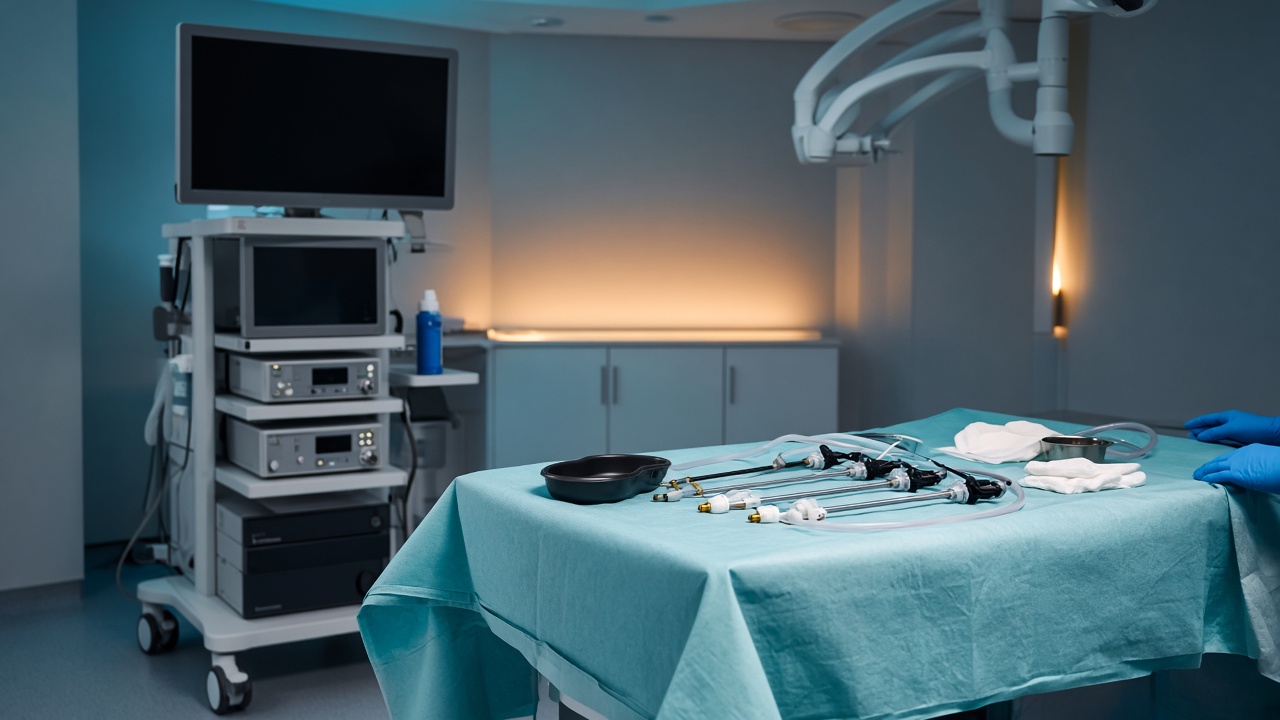
By contrast, keyhole operations, which have become more common with developing surgical techniques, are generally found much more comfortable by patients. In the keyhole method, thin incisions are made in the abdomen and the procedure is carried out with a micro camera. Advantages of keyhole surgery that patients often mention on digital platforms include:
- Less wound pain
- Faster discharge from hospital
- Cosmetic, minimal scarring
- Lower chance of infection
- Quick return to daily life
Because no large incisions are made, there is less tissue damage and recovery is generally easier. Patients can usually go home the same day or the next day. Unwanted problems such as infection or adhesions inside the abdomen are generally less frequent with keyhole surgery. The absence of large, visible scars also helps women feel better psychologically. When medically suitable, the keyhole approach is a valuable option for an easier process. Whether it is suitable depends on the surgeon's experience and the patient's anatomy.
What Risks Do Accounts of Late Periods After Tubal Reversal Point To?
After tubal reversal, patients hoping to become mothers again are most excited, and equally most anxious, about a late period. Among accounts of tubal reversal shared online, late periods are often mentioned together with concern about ectopic pregnancy. In tubes that have been surgically repaired and rejoined, very fine narrowings can sometimes remain as a result of healing. A fertilized egg passing through the repaired tube may be unable to reach the uterus and may try to implant in the tube. Although this possibility is somewhat higher than in the general population, it is a situation that must always be kept in mind medically.
It is very important to be aware of the risk of ectopic pregnancy after tubal reversal. It is helpful for patients to listen to their bodies after surgery and take the right steps if a period is late. The main medical steps women with a late period should follow are:
- A blood pregnancy test
- Examination by a specialist
- Transvaginal ultrasound
- Regular clinical follow-up
- Analysis of hormone levels
Early diagnosis makes it much easier to act medically in the event of an ectopic pregnancy before more damage is done to the tube. Severe one-sided pelvic pain, shoulder-tip pain, fainting or heavy bleeding in early pregnancy is an emergency and needs immediate medical care. If the expected pregnancy does not occur for a long time, a hysterosalpingography (uterine X-ray) may be advised after a certain period from surgery to check whether the tubes are open. Following the process closely, taking the body's signals seriously and staying in contact with the doctor are critical steps for a healthy pregnancy journey.
This page is for general information only. A personal plan can only be made after an examination.
This page is general information. Your own plan is set after examination.