IVF
Tubal Ligation Surgery Cost in Ankara
7 min read
What affects the cost of tubal ligation? Surgical method, materials, salpingectomy, timing with birth, previous surgery and long-term costs explained without fixed prices.
The cost of tubal ligation is planned individually, depending on the hospital's facilities, the surgical team's experience and the patient's general health. Rather than a fixed figure, the cost of this permanent family-planning operation reflects the surgical plan that best suits your body and needs. Factors such as the medical equipment used and the length of the hospital stay form the basis of the calculation. The most appropriate plan for your health and budget is set after a thorough initial examination.
What Generally Determines the Cost of Tubal Ligation?
For women seeking permanent contraception, the process requires detailed clinical planning. The cost cannot be calculated as a single figure like a set menu, because each hospital stay involves individual factors. How long the procedure takes in the operating room, the technology used, the type of anaesthesia and whether an overnight stay is needed are the building blocks of the cost. Sometimes a procedure expected to be short takes a little longer because of a patient's particular situation. Carefully choosing a method that suits the patient's medical history, weight and previous surgery supports both the medical process and sensible financial planning. Thanks to the wide range of healthcare options available today, good results can usually be achieved without excessive strain on your budget. What matters is managing the process with an experienced surgical team that understands your needs.
How Does the Laparoscopic Method Affect the Cost?
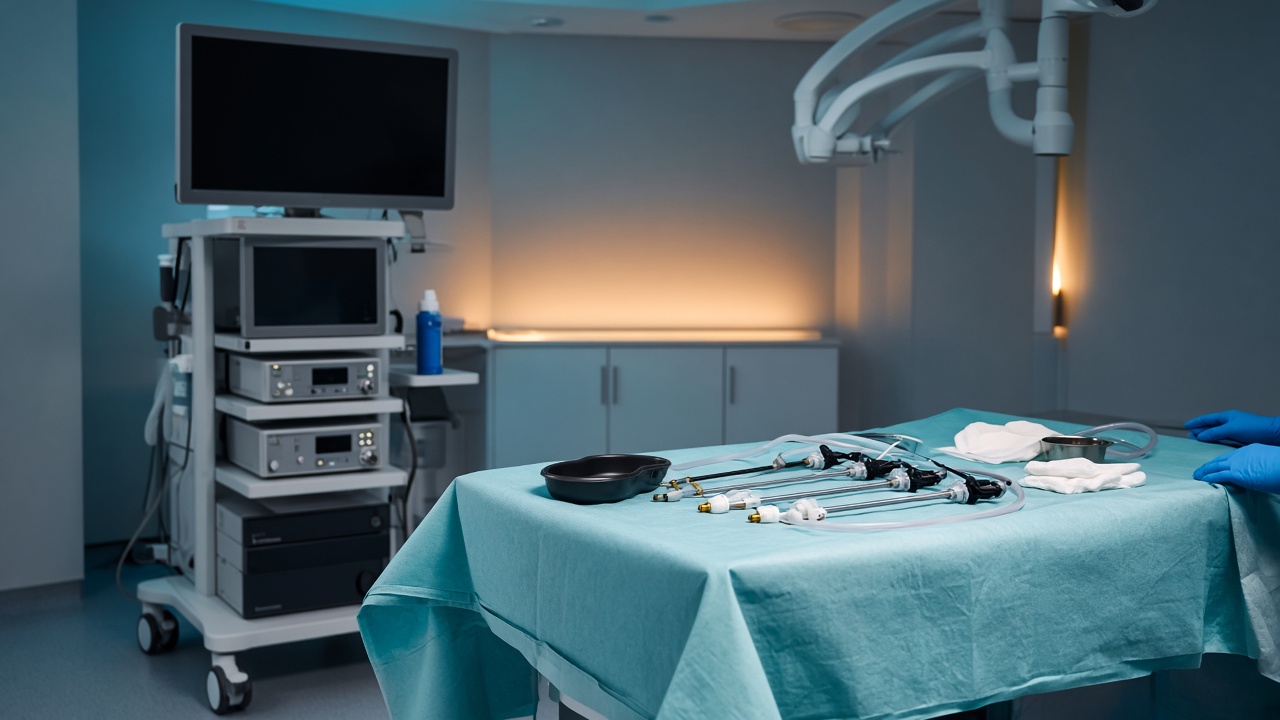
For women who have not just given birth, laparoscopy (keyhole surgery) is usually the first choice. Instead of large incisions, very thin instruments are passed through tiny openings. The components of this more comfortable approach that affect cost include:
- Optical cameras
- Imaging towers
- Carbon dioxide gas
- Energy devices
- Single-use instruments
The use of this equipment adds a certain cost to the operation. But keyhole surgery also has an important saving for patients. Because no major tissue repair is needed, recovery is usually quick, and the patient can often go home a few hours after surgery. Fewer overnight hospital costs help balance the technology-related costs. With less pain and faster recovery, it often offers a satisfying balance.
Does Open Surgery Differ in Terms of Cost?
In some situations, open surgery may be medically more appropriate than keyhole surgery. If a woman has recently had a vaginal birth, the position of the uterus changes and the procedure can be done through a small incision at the level of the belly button. This usually requires less technology and may lower operating room costs. On the other hand, if the patient has had major abdominal surgery, has large fibroids or extensive adhesions, a conventional open operation may be considered. Open surgery does not need advanced cameras, but may require a hospital stay of one or two days. Once painkillers and room charges are added, overall hospital costs may rise. Because recovery from open surgery takes somewhat longer, the need for a companion and extra days off can also add indirect costs.
Do the Materials Used Determine the Cost of Tubal Ligation?
How the tubes are closed matters as much as how they are reached. The medical materials and methods used to close the fallopian tubes shape the overall cost. Commonly used consumables include:
- Silicone clips
- Titanium clips
- Elastic bands
- Bipolar diathermy
- Surgical sutures
If special clips or elastic rings are used, these are usually single-use products and are reflected directly as an extra cost. Their advantage is that they allow the procedure to be completed very quickly. With cauterisation, where the tubes are divided using heat energy, no extra clip is needed, but the procedure may take a little longer because it must be done precisely without damaging surrounding tissue.
How Does Removing the Tubes Completely (Salpingectomy) Affect Long-Term Costs?
In current practice, removing both tubes completely, rather than tying part of them, is often recommended. Besides preventing pregnancy, its main advantage is that it is thought to lower the risk of some types of ovarian cancer in the long term. Complete removal may require special devices that safely seal blood vessels, which can lengthen the operation slightly and add a small material cost. Looking ahead, however, it largely removes the possibility of a tied tube reopening. By reducing the likelihood of further surgery, it gives peace of mind in later years and can be considered a cost-effective option overall.
Is There a Cost Advantage to Tubal Ligation During a C-Section or Vaginal Birth?
If a woman has decided her family is complete and is about to give birth anyway, timing contraception with the birth is a financially sensible step. Adding the procedure to the birth means both are handled at once. The advantages of this combined planning include:
- A single anaesthetic
- Shared use of the operating room
- A single hospital stay
- Lower companion costs
- A shorter overall recovery
While the patient is already in the operating room for the birth, the extra procedure usually takes only a short time. There is no need for a new appointment and a second recovery period later. Managing it as part of the birth reduces a significant part of the extra surgical costs.
What Does a Standalone Tubal Ligation Mean for the Total Cost?
Having surgery solely for this procedure, at a time unrelated to birth, means a separate arrangement. Pre-operative examinations and tests are needed, an operating room must be booked, the anaesthesia and surgical teams must be present, and a recovery room must be allocated. Each step is a separate cost item. Because everything requires fresh preparation, a standalone operation may cost more at the hospital than a procedure combined with birth. However, the possibility of going home the same day after laparoscopy helps keep costs at more manageable levels. Choosing the timing that best fits your life can also help you avoid indirect costs.
Why Do Anatomical Difficulties and Previous Surgery Matter for the Cost?
Every woman's body is unique, and tissues respond differently to surgery. Even with the same method, the final cost may not be identical for every patient, because unexpected difficulties can change how the operation goes. Situations that can increase surgical time and difficulty include:
- Previous caesarean sections
- Previous open fibroid surgery
- A history of appendix surgery
- Severe obesity
- Endometrioma (chocolate cyst)
- Abdominal adhesions
In these situations, tissues inside the abdomen may be stuck together and need to be separated patiently to avoid damaging nearby organs. A procedure expected to take half an hour may take longer, which naturally increases anaesthesia and material use. Occasionally it may be necessary to switch from keyhole to open surgery, which can change the hospital stay.
What Happens to Costs If You Change Your Mind Later?
This operation is designed to be permanent. Over the years, however, some women may want to reverse the decision because of a new marriage or the wish to have another child. Reopening closed tubes is a much more delicate, longer operation that requires microsurgical experience, and its cost is usually considerably higher than the original procedure. Moreover, even if the tubes are successfully reopened, they may not work as well as before. To avoid such a heavy financial burden later, younger women are often advised to first consider an IUD or similar long-acting reversible methods.
This page is for general information only. A personal plan can only be made after an examination.
This page is general information. Your own plan is set after examination.