
Gynecology
What Is Salpingectomy and Why Is It Performed?
12 min read
What is salpingectomy and why is it done? Learn when the fallopian tubes need to be removed, how the operation works, preparation and the recovery period.
Salpingectomy is the surgical removal of one or both fallopian tubes. It is performed for important medical and protective reasons: to treat a tubal ectopic pregnancy that carries a risk of internal bleeding, to remove fluid collections in the tubes (hydrosalpinx) that lower the success of IVF, or to reduce the risk of ovarian cancer. By removing tubes whose structure is damaged and that are harming the body, this operation, a routine part of modern gynaecology, lowers medical risks and supports the woman's reproductive health.
What Is Salpingectomy and What Types Are There?
The operation can be planned in different ways depending on the patient's medical condition, her age and whether she wants children in the future. It is named mainly according to its extent. Removal of only the right or only the left tube is called unilateral salpingectomy. It is usually chosen when there is a localized problem in the tube on that side that has damaged its structure. The aim is to remove the diseased tube while leaving the healthy tube on the other side, so that the woman's chance of conceiving naturally is preserved.
Removal of both fallopian tubes at the same time is called bilateral salpingectomy. This approach is generally used when the patient no longer wants children and is looking for permanent contraception, when both tubes have infection that cannot be repaired, or as a preventive measure in women at risk of ovarian cancer. In the past, partial methods in which only part of the tube was cut and removed were used. Today, to benefit fully from the protective effect against cancer, the approach in which the whole tube is removed, from the uterus to the ovary, is generally regarded as the preferred standard.
What Are the Functions of the Fallopian Tubes?
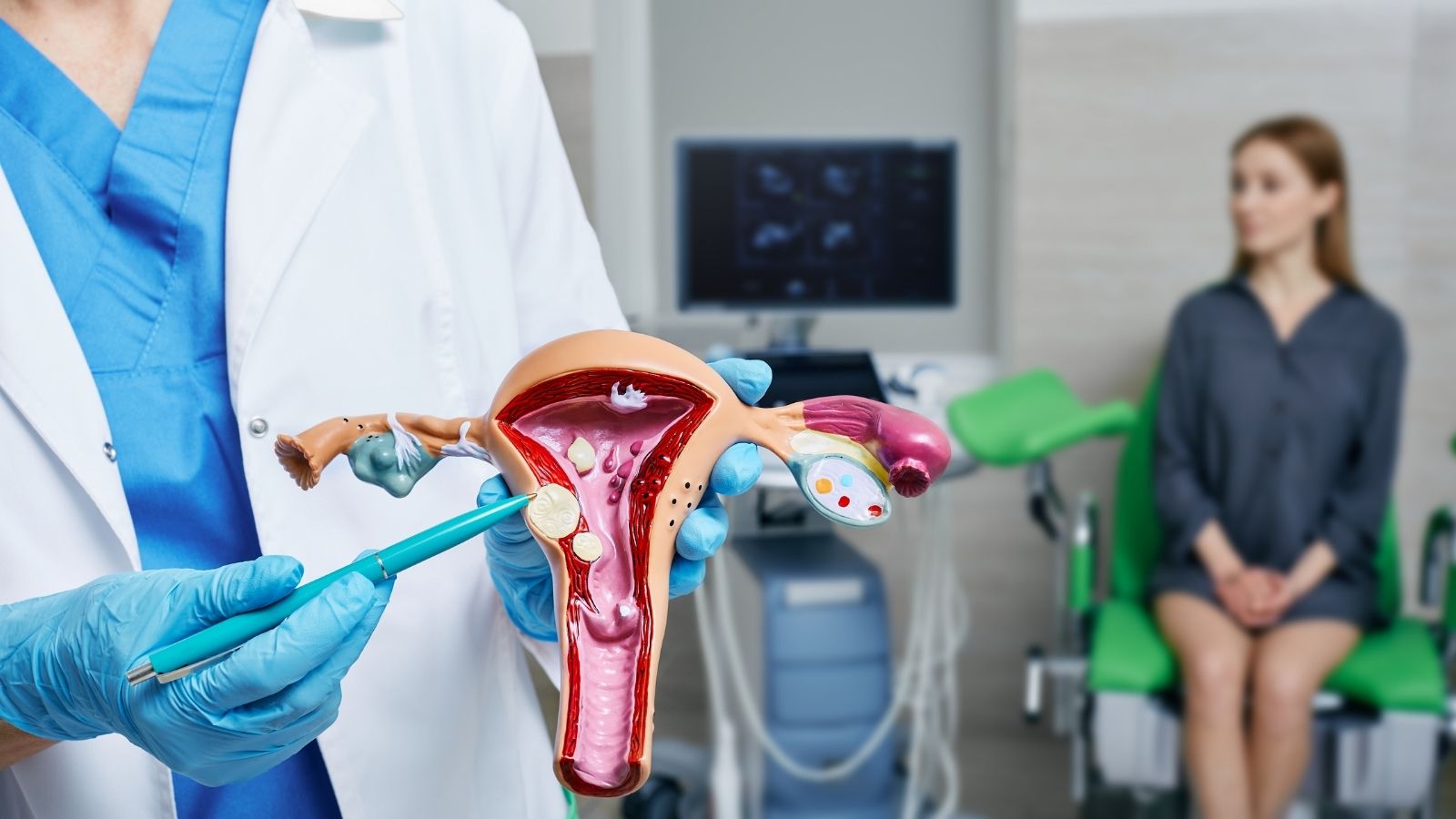
To understand the logic of salpingectomy, it helps to understand the important roles the fallopian tubes play. These channels, which run between the uterus and the ovaries, are not simple pipes. They are dynamic, mobile structures with a complex microenvironment. When an ovary releases a mature egg each month, the finger-like fringes (fimbriae) at the end of the tube gently catch the egg and draw it into the tube.
Sperm, the male reproductive cell, reaches the fallopian tube after a long journey. Fertilization, the first step of a new life, takes place inside the tube. The fertilized egg then travels towards the uterus over several days, helped by the movement of microscopic hair-like cilia lining the tube. The tubes also secrete nutrient fluids that the early embryo needs to survive. When this delicate structure is damaged by inflammation, infection or an ectopic pregnancy, however, the tubes can stop being useful and become a threat to the body. Surgery comes into play at exactly this point.
Why Can Salpingectomy Be Lifesaving in an Ectopic Pregnancy?
In an ectopic pregnancy, the fertilized egg implants and begins to grow most often inside a fallopian tube instead of the uterine cavity. The muscular wall of the uterus is flexible and strong enough to carry a growing baby safely for nine months. The fallopian tubes, however, are delicate channels only a few millimetres wide with almost no capacity to stretch. As pregnancy tissue keeps growing inside a tube, it stretches the tube wall until, at some point, the tube can no longer withstand the pressure and ruptures.
A rupture causes sudden, severe internal bleeding into the abdomen that is difficult to control. This is a major emergency that can endanger the mother's life within minutes. If the tube has ruptured, if there is bleeding into the abdomen, or if an ectopic pregnancy has occurred before in the same tube, the safest treatment is usually surgery to remove the whole tube. Simply emptying the tube and leaving it in place is often not advised in these situations because it increases the chance of another ectopic pregnancy in that tube. In some carefully selected cases where the tube is intact and the woman strongly wishes to preserve fertility, tube-sparing surgery or medical treatment may be considered; the decision is individual and made by the treating doctor.
Is Salpingectomy Necessary When Fluid Collects in the Tubes (Hydrosalpinx)?
Hydrosalpinx is a condition in which the end of the tube next to the ovary becomes blocked and the tube fills with inflammatory fluid and swells like a balloon. The most common causes are previous pelvic infections, earlier difficult abdominal surgery and endometriosis (chocolate cysts). A tube with a blocked end cannot empty its normal secretions into the abdominal cavity, so the fluid becomes trapped inside.
Over time this fluid stagnates and becomes harmful. Because it cannot leave through the blocked end, it may flow back towards the inside of the uterus. The uterine cavity needs to be clean and receptive for an embryo to implant. Fluid leaking from the tube can wash through the cavity and interfere with implantation. For this reason, removal or closing off of fluid-filled tubes that no longer function is generally recommended to restore a healthy environment inside the uterus, particularly before IVF.
What Role Does Salpingectomy Play in Improving IVF Success?
For couples having IVF, fluid in the tubes (hydrosalpinx) is one of the biggest obstacles. After a long and tiring treatment process, when precious embryos are transferred, fluid leaking from diseased tubes can have a toxic effect on the embryo. It may also change the chemistry of the uterine lining, disturbing the signals that allow implantation, and the mechanical flow it creates may wash the embryo out of the uterus.
Studies have shown that when fluid-filled tubes are present, the chance of pregnancy with IVF falls substantially, to roughly half in many reports, and the risk of early miscarriage increases. For this reason, surgical removal of the affected tubes before IVF is widely accepted as the recommended preparation. After the operation, the uterine environment can return towards normal and the chances of IVF success improve markedly, approaching those of women with healthy tubes. Whether surgery is appropriate is decided individually.
When Is Salpingectomy Used in Severe Pelvic Infections?
Severe infections of the female reproductive organs that are not treated appropriately and in time can spread to the fallopian tubes and cause permanent, serious damage. Inflammation destroys the delicate inner lining of the tubes, makes structures stick together and causes pus to collect inside the tube. Sometimes the infection spreads further and forms large, dangerous abscesses that involve the ovary as well.
In these serious cases the first choice is always strong, broad-spectrum intravenous antibiotics. In some cases, however, the abscess is surrounded by such a thick wall that antibiotics cannot penetrate it sufficiently. The fever does not settle and severe groin and abdominal pain continues. Repeated infections can also cause chronic pelvic pain and greatly reduce quality of life. At this point, surgical removal of tubes that are the main source of the infection and that will never function again may be necessary to bring about recovery.
What Does Opportunistic Salpingectomy for Ovarian Cancer Prevention Mean?
One of the most important developments in medicine in recent years has been the discovery of where ovarian cancer actually starts. It was once thought that ovarian cancer arose directly from ovarian tissue. Detailed studies have shown that a large proportion of these cancers, especially the high-grade serous type, originate from cells at the end of the fallopian tube that lies next to the ovary. Cell changes beginning at the end of the tube can later spread onto the neighbouring ovary and form the main tumour there.
This knowledge has led to the concept of "opportunistic salpingectomy". If a woman is having an operation for another reason, such as a hysterectomy, fibroid surgery or surgery for a benign cyst, and she has no plans for future pregnancy, the fallopian tubes can be removed at the same time as a preventive measure. The ovaries are left alone and only the tubes are removed. This simple additional step is thought to lower the risk of ovarian cancer in the future. For women with a genetically high risk, tube removal is an important part of risk-reducing strategies, and the timing and extent of surgery are planned with a gynaecological oncology team.
How Does Laparoscopic Salpingectomy (Keyhole Surgery) Work?
With modern technology, these operations are usually performed with the laparoscopic (keyhole) method, without large incisions, unless there is a specific reason to choose otherwise. The operation is done under general anaesthesia, that is, while the patient is fully asleep. The surgeon makes a small incision of about one centimetre at the belly button and inflates the abdomen with a harmless gas. The gas lifts the abdominal wall away from the internal organs and creates a safe working space.
A high-resolution camera with a light is then placed through this small opening. Magnified, clear images of the inside of the abdomen are shown on screens in the operating room. One or two further openings a few millimetres wide are made in the lower or side abdomen, and thin, specially designed instruments are passed through them. With these, the tube is held gently and separated from its blood supply and from its attachment to the uterus using heat energy, with minimal bleeding. The removed tube is placed in a small bag and taken out, and the small incisions are closed with cosmetic stitches.
When Is Open Surgery Preferred for Salpingectomy?
Despite all the advantages of keyhole surgery, open surgery (laparotomy) may be necessary in some special or difficult situations. In particular, when an ectopic pregnancy has ruptured, there is a large amount of active bleeding in the abdomen, and the blood pressure is falling and vital functions are affected, every second counts. In such emergencies, open surgery is chosen so that the surgeon can reach the bleeding source and control it as quickly as possible.
Open surgery may also be needed if previous abdominal operations have caused the bowel and the uterine area to stick together so heavily that there is no safe space for the camera to advance. In complex cases where cancer is strongly suspected and a wide area must be examined and cleared in detail, a horizontal or vertical incision in the lower abdomen may be the safest way to give the surgeon maximum view and access.
What Preparations Are Needed Before Salpingectomy?
The first step towards a smooth surgical process is careful preparation before the operation. Once the decision is made, if the operation is planned rather than urgent, routine blood tests are requested to assess general health. Blood group, kidney and liver values and blood clotting are checked. A blood pregnancy test is requested from every woman of reproductive age, even when the operation is being done for another reason, so that an early and unnoticed pregnancy is not harmed.
The medicines the patient takes daily are reviewed one by one. The doctor may ask her to stop blood-thinning medicines, certain painkillers or herbal supplements for a period before surgery. Because the operation is done under general anaesthesia, it is critical that the stomach is empty from the night before the operation. The patient is usually asked not to eat or drink anything, including water, for the period specified by the anaesthetic team. An empty stomach removes the dangerous risk of stomach contents entering the lungs during sleep.
What Happens During Recovery After Salpingectomy?
Recovery speed differs greatly depending on the surgical technique. A patient who has laparoscopic (keyhole) surgery usually walks out of hospital the same evening or the next morning, as there is no large incision. A few hours after surgery, patients can sit up in bed, sip water and soon get up and walk in the corridor. Moving early helps the bowels start working again quickly.
One thing that surprises many patients after keyhole surgery is a dull ache in the shoulders and neck even though the operation was on the abdomen. This happens because a small amount of the gas used to inflate the abdomen remains in the body and touches the diaphragm from below, and the nerves of the diaphragm extend to the shoulder area. It is normal, harmless and temporary, and usually disappears within a few days with plenty of walking and simple painkillers. After open surgery, because the layers of the abdominal wall are cut, the hospital stay may be a few days and the return to normal life a few weeks.
What Foods Are Recommended During Recovery?
After surgery, the body needs good-quality energy to repair tissue, clear anaesthetic medicines from the system and keep immunity strong. Choosing foods that do not tire the digestive system, support bowel movement and help cell renewal can speed recovery. Avoiding heavy, very fatty and very spicy food in the first days helps prevent nausea.
Foods that are generally well tolerated include:
- Light soups and clear broths in the first days
- Plain yoghurt and other easily digested dairy products
- Whole grains, fresh vegetables and fruit for fibre
- Legumes, eggs, fish and lean meat for protein
- Plenty of water, unless the doctor advises otherwise
If you have fever, increasing abdominal pain, heavy bleeding, repeated vomiting or redness and discharge at the incision sites after surgery, contact your doctor without delay.
This page is for general information only. A personal plan can only be made after an examination.
This page is general information. Your own plan is set after examination.